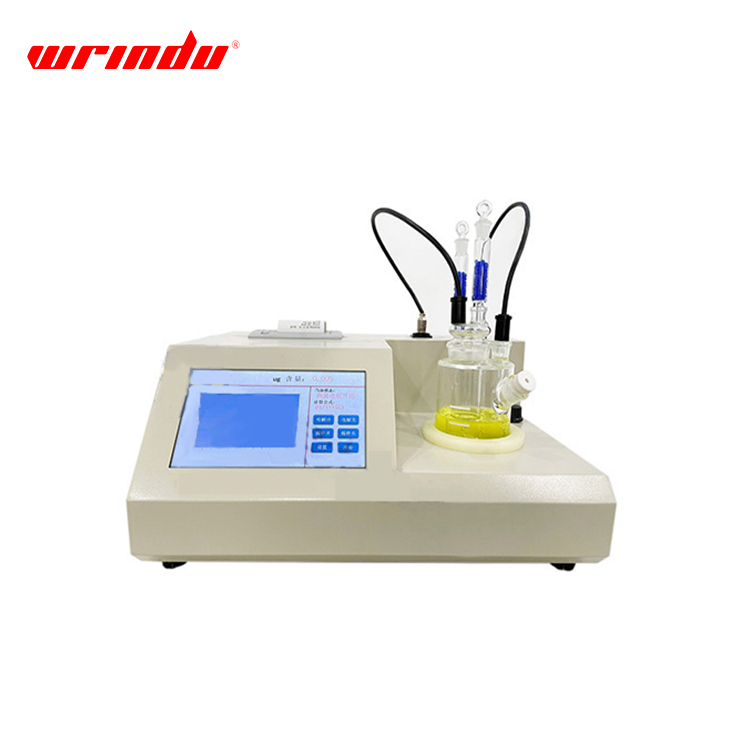
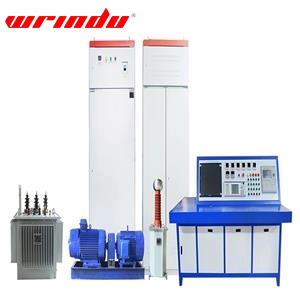
Insulating Oil Gas Content Tester



- Wrindu
- Shanghai, China
- about 10 working days
- 1000 set/month
- RDHQ-3701
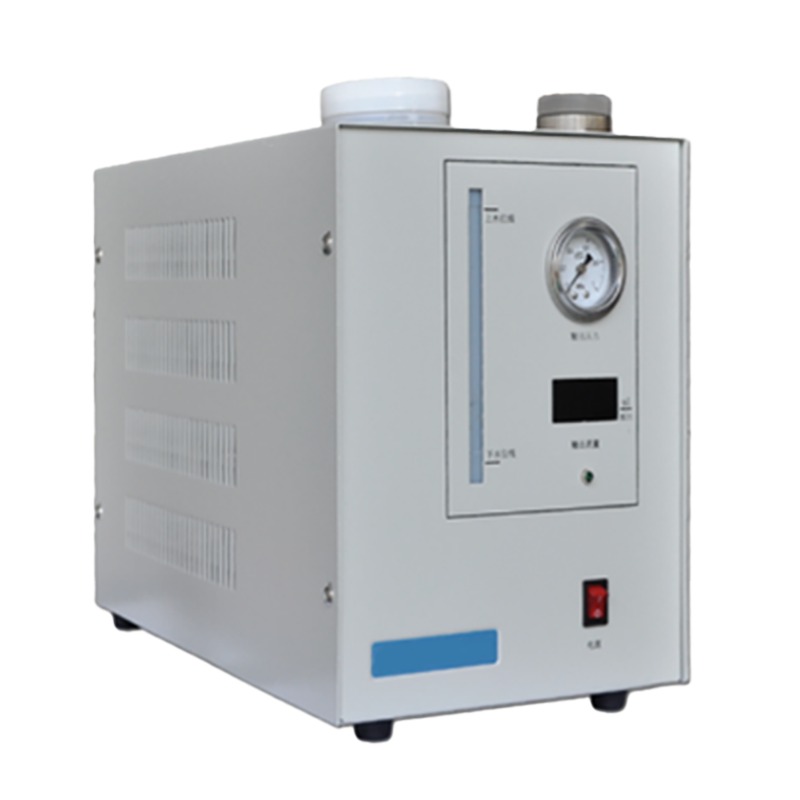
The Insulating Oil Gas Content Tester helps measure the gas content in insulating oil used in power transformers and other oil-filled electrical equipment. It uses high-precision sensors and modern sensing technology to deliver stable and reliable results. The instrument is easy to operate and is suitable for testing oil used in high-voltage and ultra-high-voltage equipment. It is also a practical choice for power testing laboratories.
Product features
Durable Metal Housing: The all-metal design is more resistant to damage and sealing problems than glass-based instruments.
High-Precision Sensor: An imported differential pressure sensor provides stable readings and good repeatability.
Automatic Temperature and Pressure Compensation: Built-in sensors measure ambient temperature and atmospheric pressure. The instrument automatically converts the result to the air content at 0°C under standard atmospheric pressure and displays it on the LCD screen.
Calibration Check: A built-in gas injection program allows users to check the instrument's calibration and measurement performance.
Fast Testing: Each oil sample takes about seven minutes to test.
Smart Vacuum Pump Control: The instrument adjusts vacuum pump operation according to the test process, helping reduce noise and extend pump service life.
Test Data Storage: The instrument stores recent test results, including test time, temperature, and atmospheric pressure, for easy review.
Data Printing: Users can print test results when needed.
Multiple Measurements: Users can test the same oil sample several times. The instrument displays or prints both individual results and the average value.
Product specifications and technical parameters
1. High precision electronic differential pressure sensor: resolution no less than 0.1%.
2. Minimum detection limit: no more than 0.2%.
3. Accuracy: the relative error of repeated measurement results shall not exceed the following values:
Gas content in oil (volume fraction),% | relative error,% |
< 0.5 | 10 |
0.5 – 1.0 | 8 |
1.0 – 3.0 | 5 |
> 3.0 | 3 |
4. Temperature control range of degassing chamber: 5 ℃ to 70 ℃ above room temperature
5. Working power supply: AC220 V ± 10% 50 Hz
6. Volume: length 450 × width 325 × height 350
7. Weight: About 20kg
How Does the Transformer Oil Gas Content Tester Work?
The tester measures gas content by using pressure differences during the oil degassing process. The instrument controls the vacuum pump and degassing procedure, then uses the differential pressure sensor to obtain the measurement result.
Ambient temperature and atmospheric pressure are also measured. The instrument converts the result to the specified reference conditions of 0°C and standard atmospheric pressure, helping users compare results obtained under different environmental conditions.
Important: Total gas content measurement is not the same as a complete dissolved gas analysis (DGA). A full DGA test identifies and quantifies individual gases, such as hydrogen, methane, ethylene, acetylene, carbon monoxide, and carbon dioxide. These measurements require suitable gas separation and detection methods. Users should confirm the instrument's capabilities before using it for individual gas analysis or transformer fault diagnosis.
How to Obtain Reliable Test Results?
Consistent sampling and correct operation are essential for reliable insulating oil measurements.
Collect the sample correctly. Use a clean, suitable sample container and follow the laboratory's oil sampling procedure.
Avoid contamination and air exposure. Uncontrolled contact with air may change the gas content of the sample.
Check the instrument before testing. Inspect the connections and vacuum system, and use the built-in gas injection program to check measurement performance when required.
Follow the operating procedure. Use the recommended sample volume and test conditions specified in the instrument manual.
Repeat measurements when necessary. Compare repeated results and review the average value to identify possible inconsistencies.
Keep test records. Record the sample identification, test time, temperature, atmospheric pressure, and measurement results for future comparison.
What Should Users Consider When Interpreting Results?
Gas content results should be interpreted according to the test method, equipment type, and applicable maintenance requirements. A change in total gas content may justify further investigation, but it does not by itself identify the source of a transformer fault.
For condition assessment, engineers may need additional oil tests or a dedicated DGA instrument that measures individual dissolved gases. Comparing results from the same sampling method over time can also help identify changes that require further investigation.
Quality Assurance and After-Sales Support
Before routine use, users should verify the instrument's measurement performance according to the supplied manual and their laboratory procedures. Calibration records, repeatability checks, and consistent sampling practices help support reliable test results.
Wrindu provides a one-year warranty and technical guidance to help customers with instrument operation and testing procedures. For product specifications, application support, or quotation requests, contact the Wrindu team.