Cable Path Detector

- Wrindu
- Shanghai, China
- about 10 working days
- 1000 set/month
- RDCD-III/R30
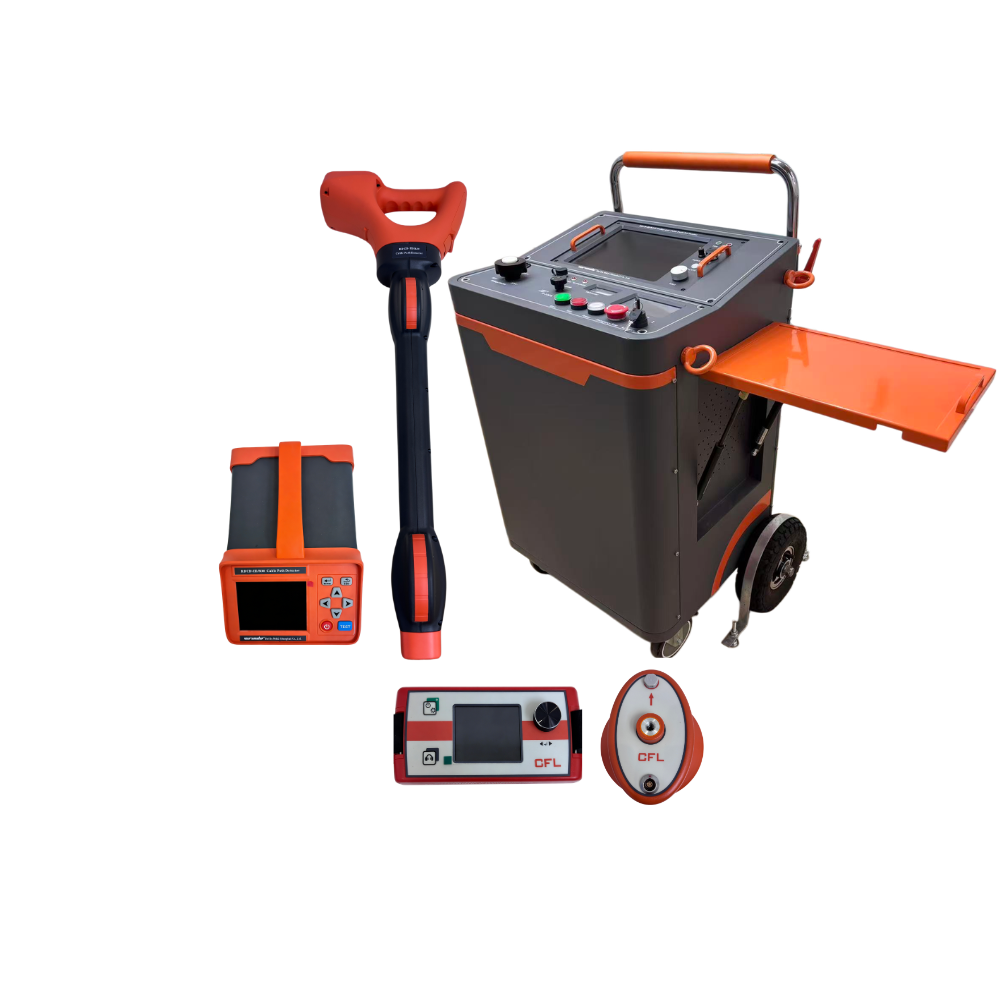
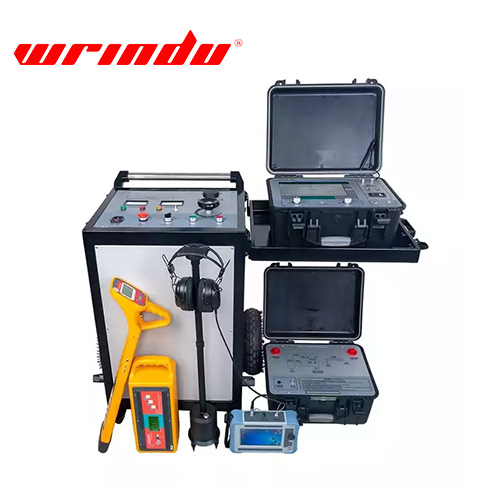
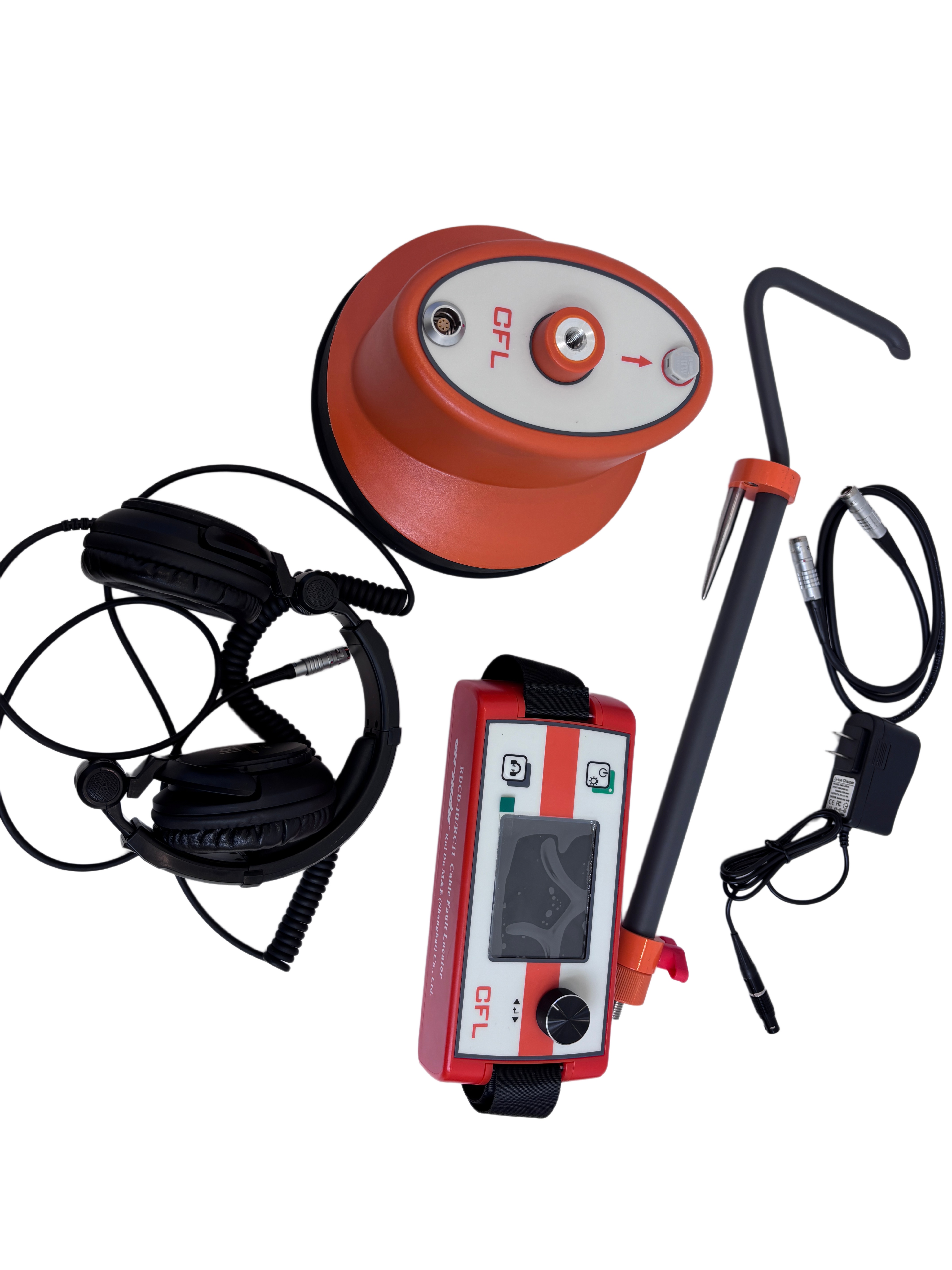
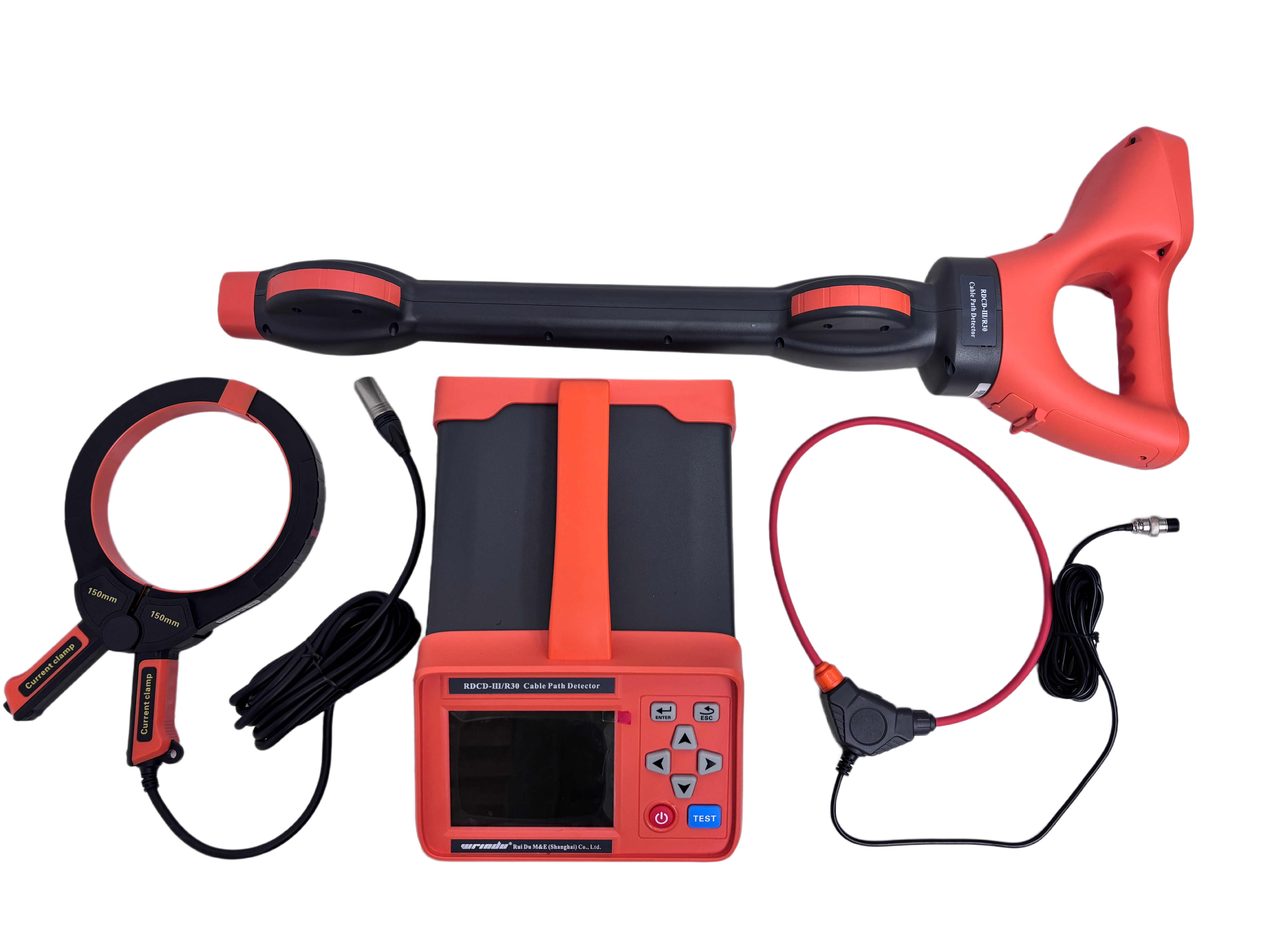
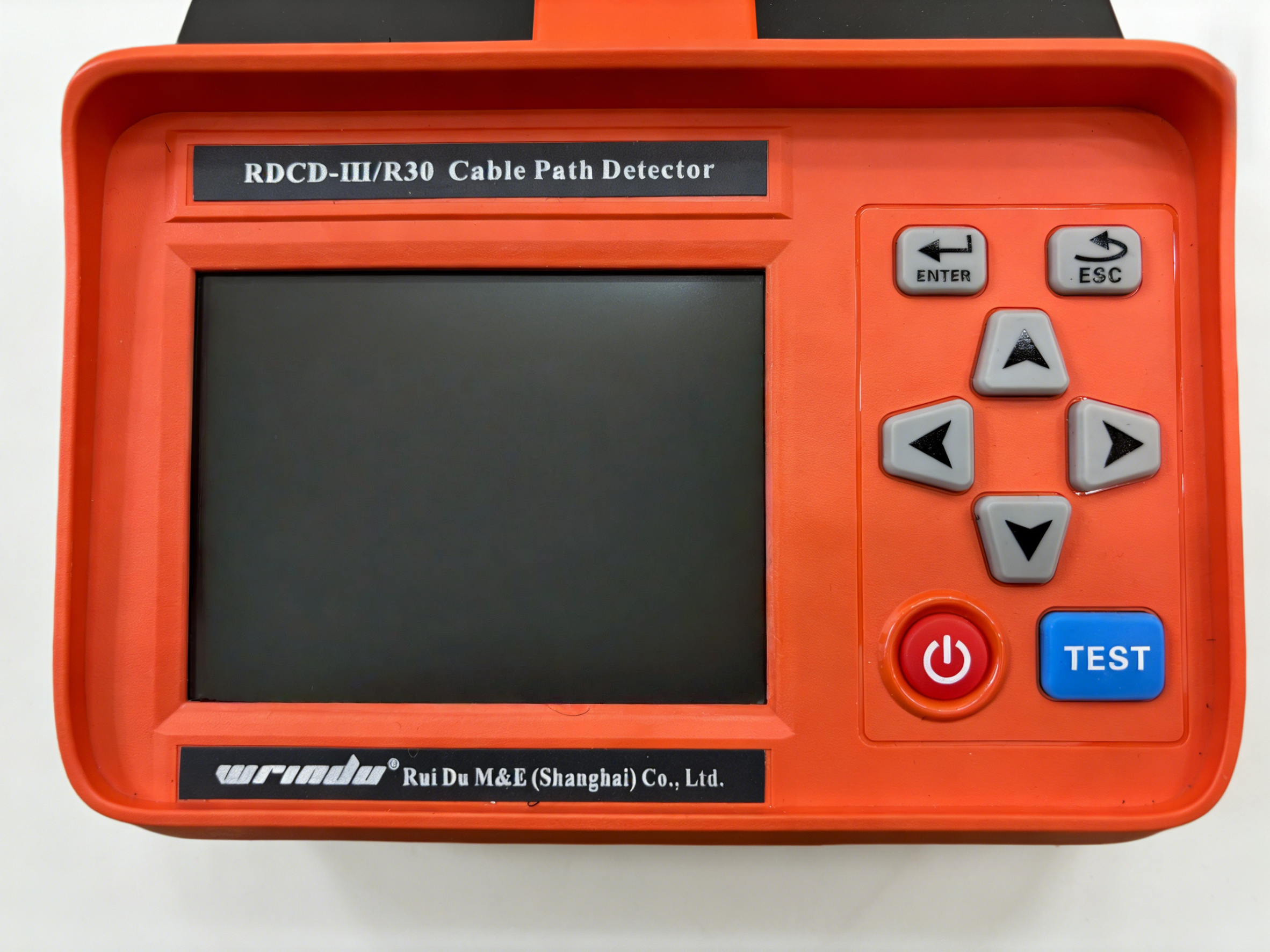
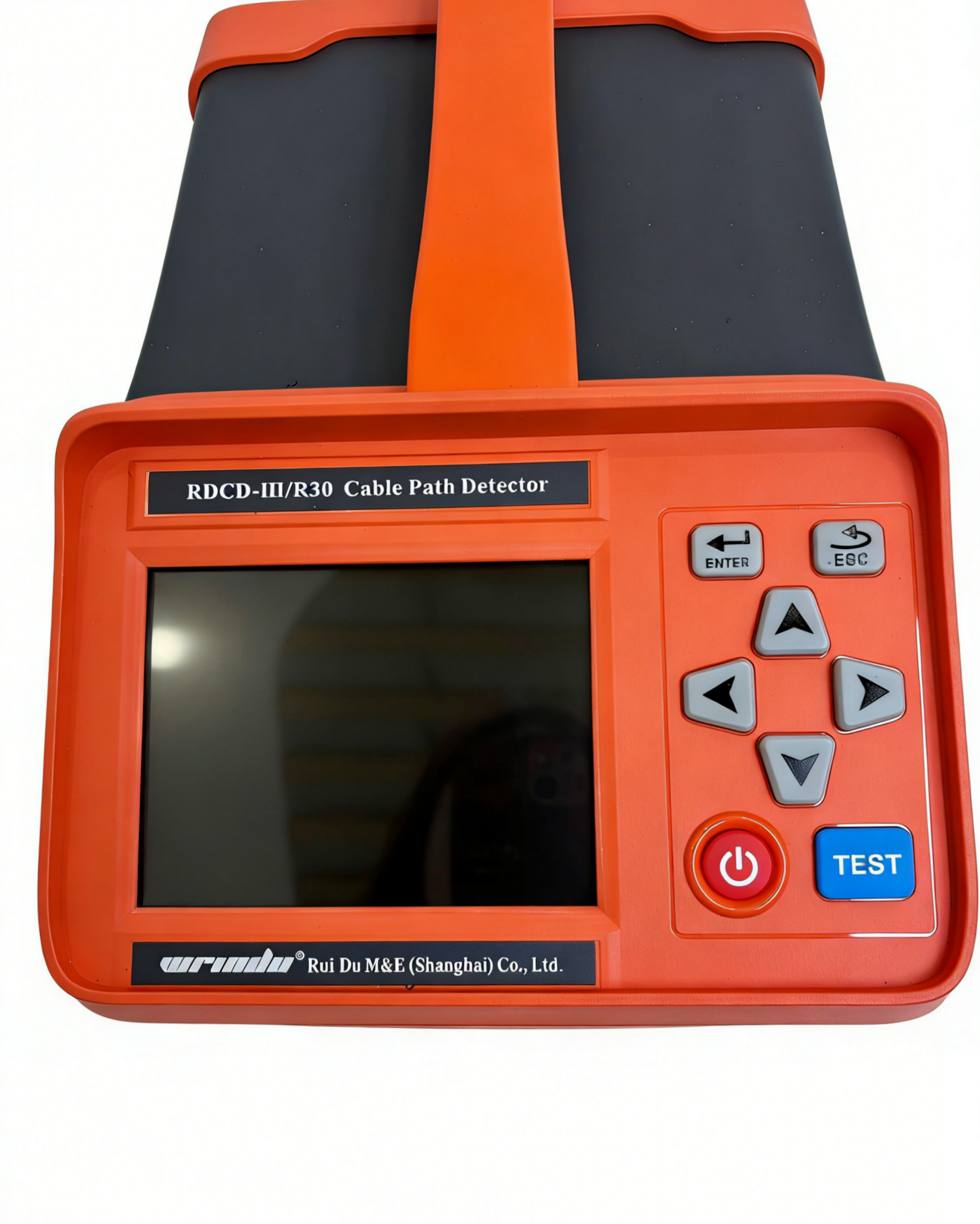
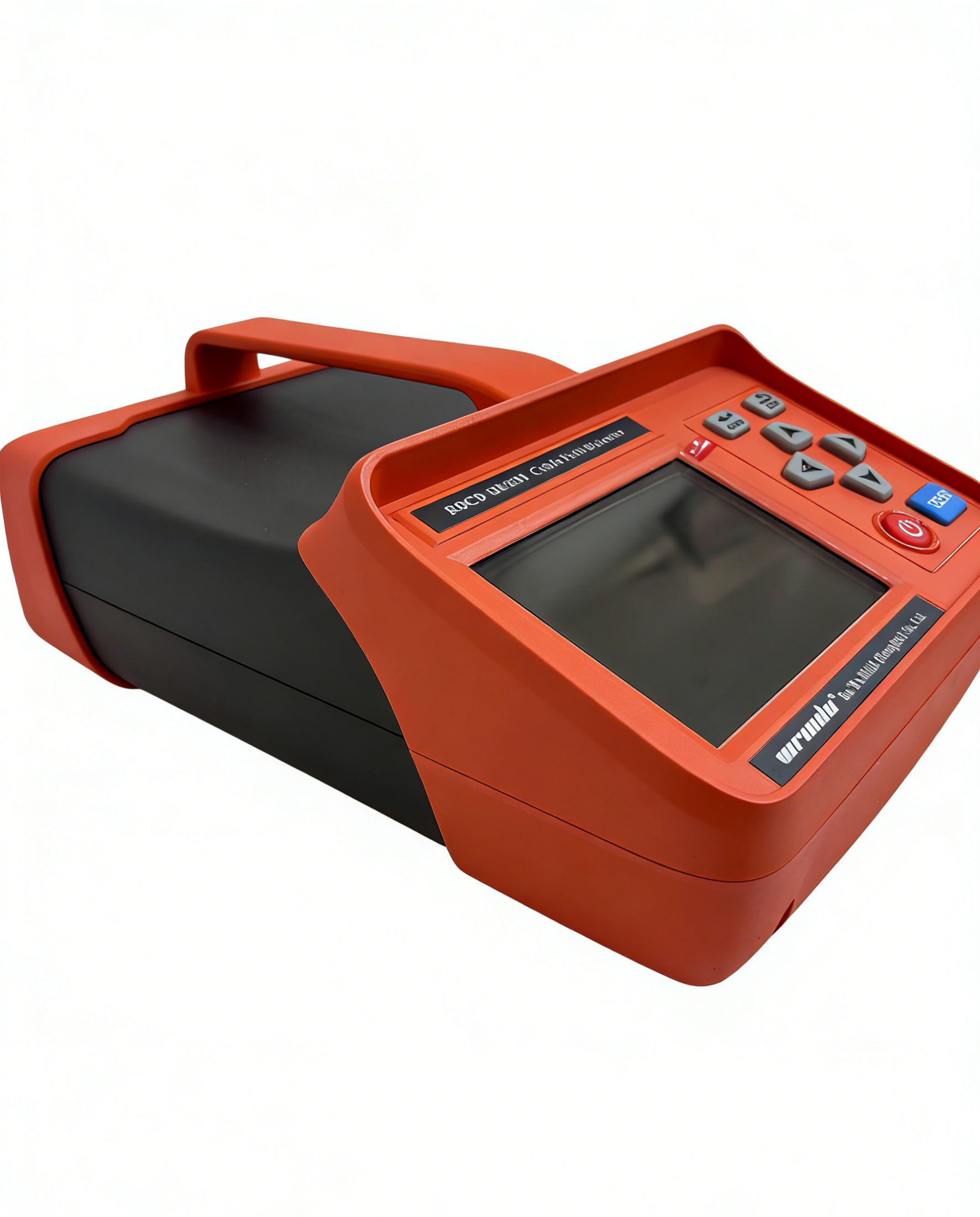
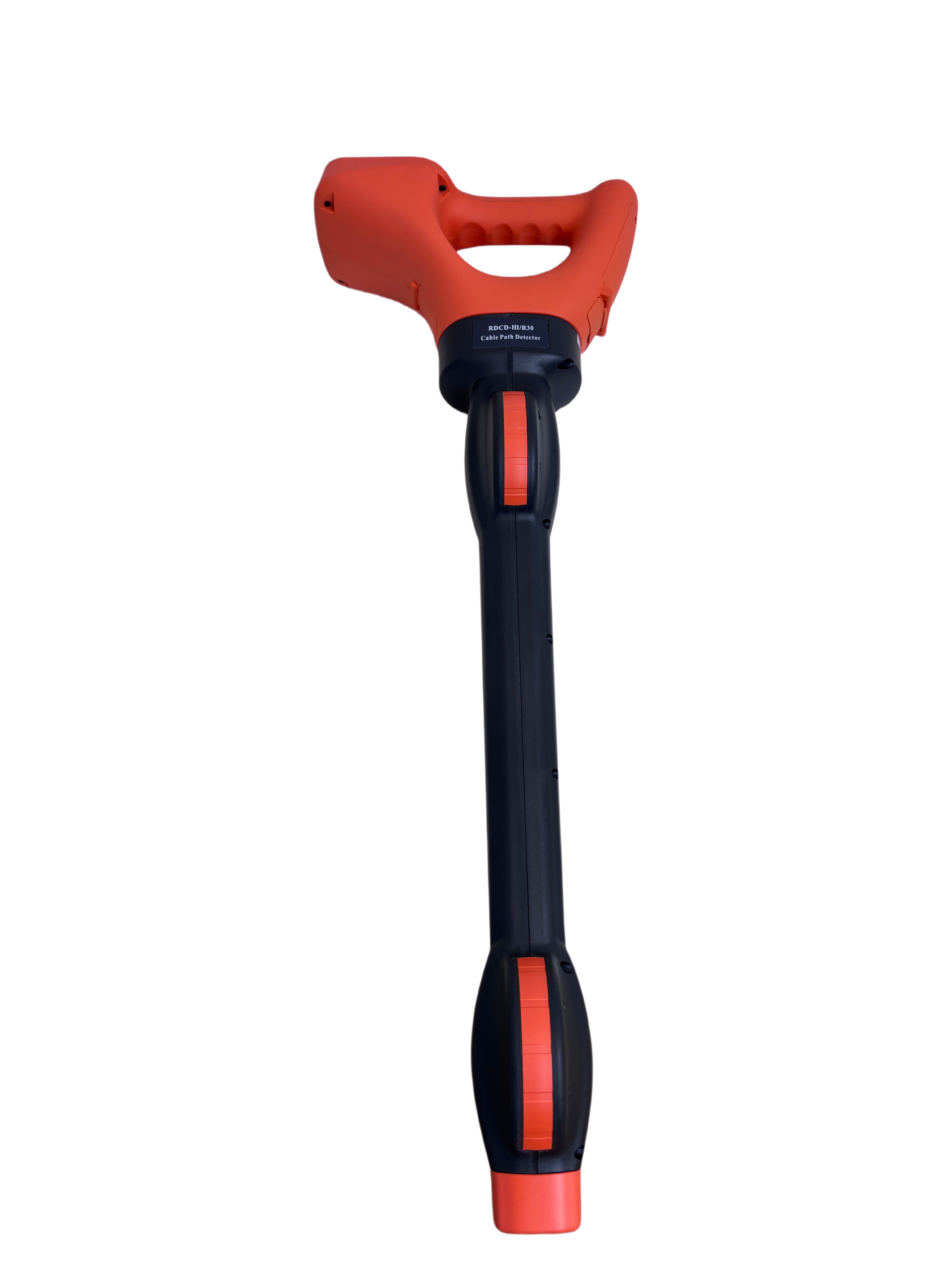
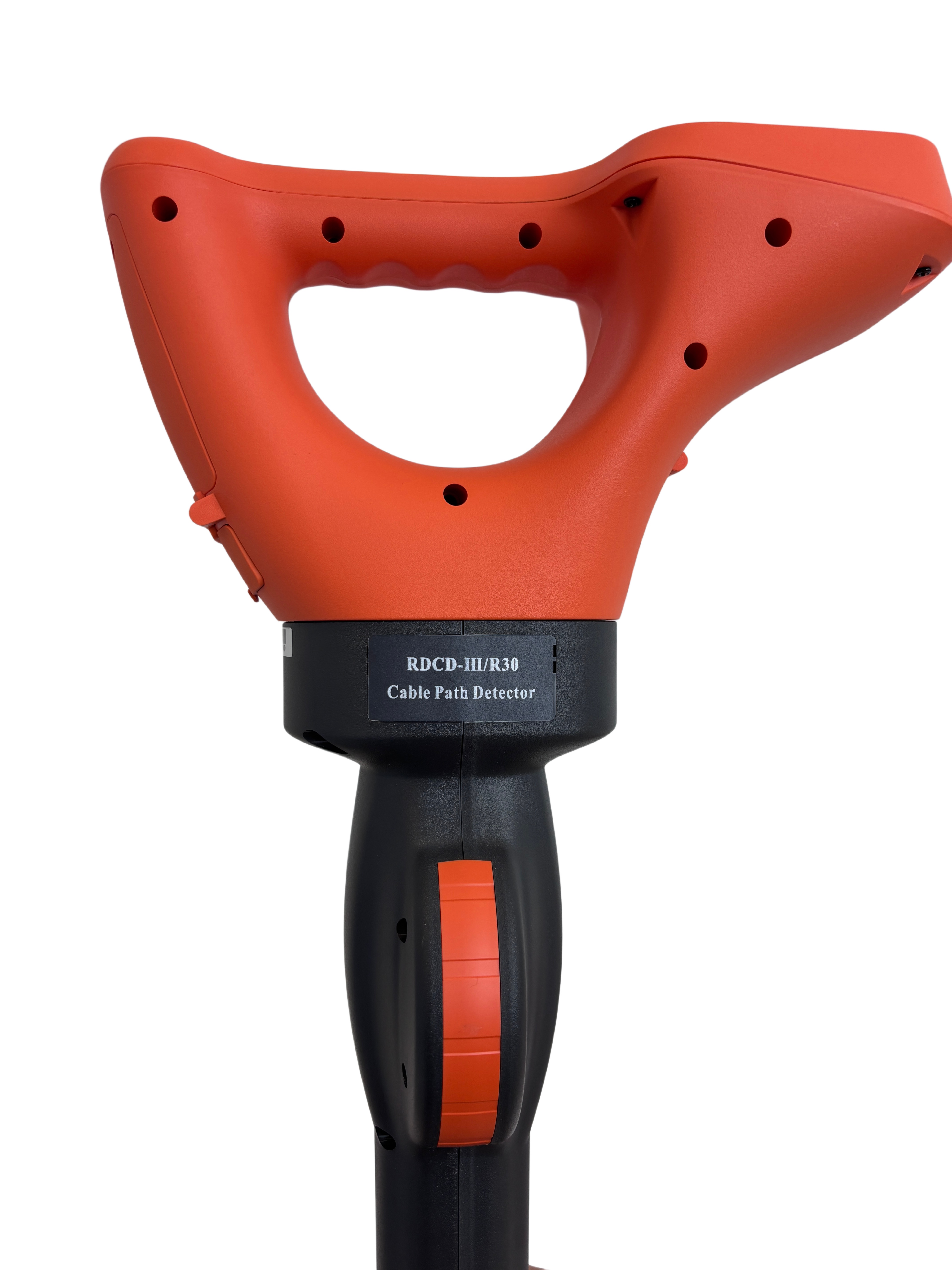
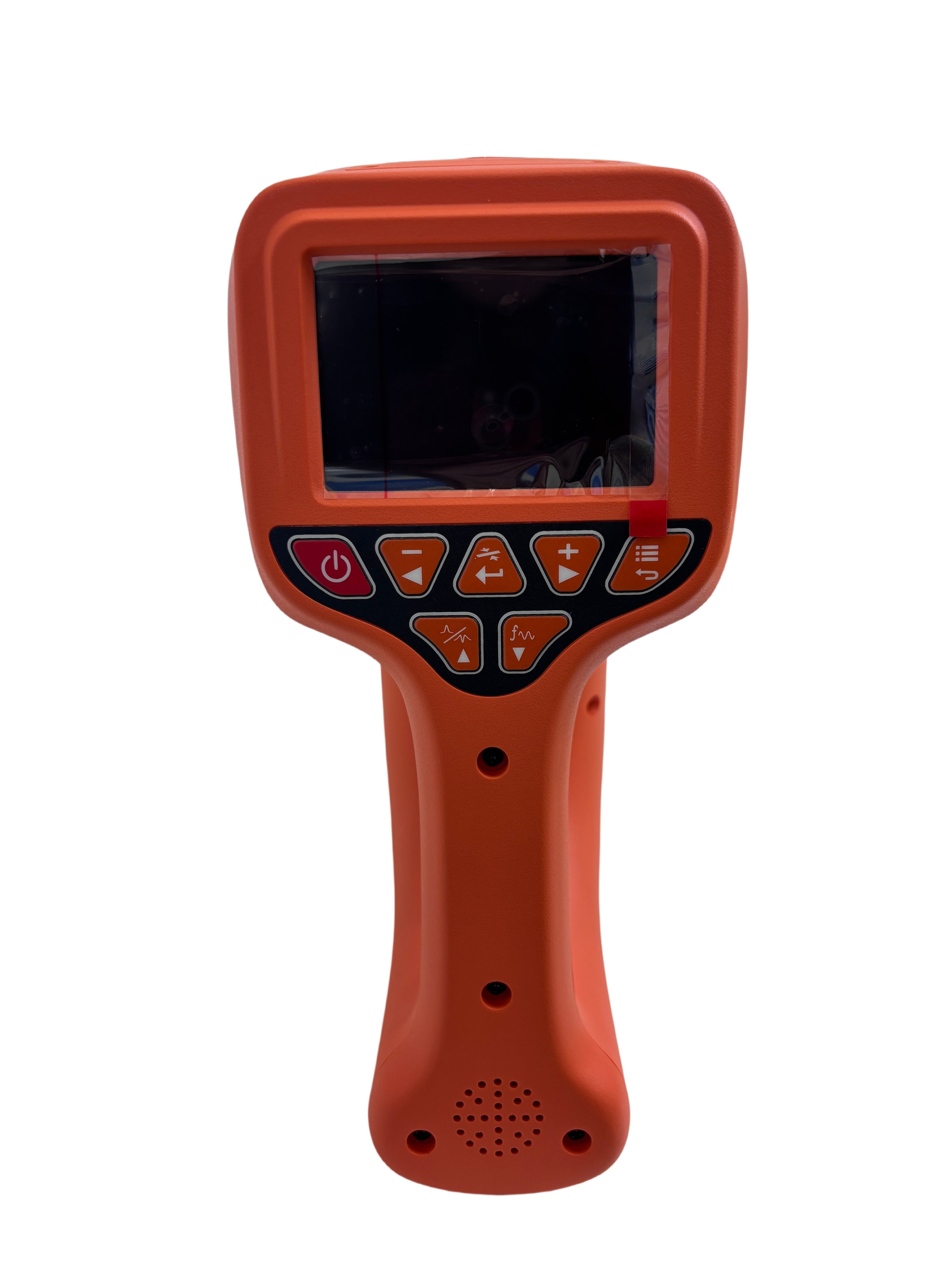
RDCD-III/R30 cable comprehensive detector is a multifunctional cable path identification detector, with multiple functions such as pipeline path detection, cable identification, and pipeline grounding fault location (optional). The instrument is composed of a transmitter, transmitting current clamp, receiver, receiving flexible current clamp, connection test cables, stethoscope (optional), A-frame (optional accessory), etc.
Product Features
This integrated underground pipeline & cable tester supports non-excavation path detection, depth measurement, and cable identification for metal pipelines and power cables. With multi-filter & anti-interference technology, it provides high-precision positioning.
It offers three detection modes: classic positioning, full-screen signal, and signal curve. It supports current direction judgment, real-time interference display, and auto frequency sweep to avoid co-frequency interference. Adopting full-digital high-precision sampling, it features ultra-high sensitivity and strong anti-interference against power frequency and harmonic interference.
The system provides 10 active and 2 passive detection frequencies. The transmitter supports direct connection, clamp coupling, and induction methods, with 10W digital power amplifier, automatic impedance matching, and full protection. The receiver uses multi-shielded 3D antennas to identify multiple pulse-coded signals and 50/60Hz power frequency signals.
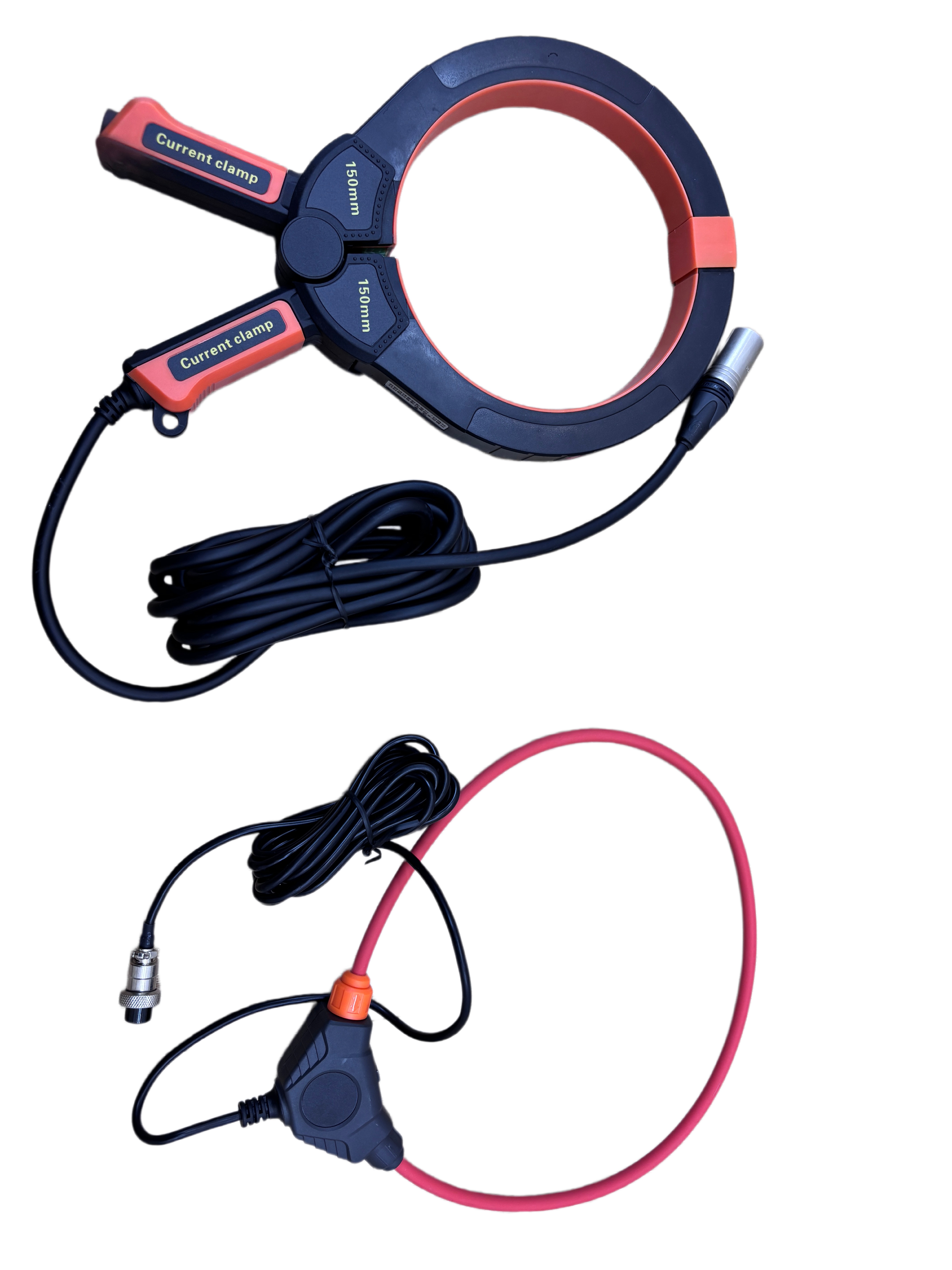
The instrument accurately identifies live and de-energized cables, pre-calibrating up to 10 cables for efficient one-person operation. Standard accessories include transmitter, receiver, transmitting clamp, and flexible current clamp (Φ200mm). Optional A-frame is available for cable ground fault location, suitable for both muddy and cement grounds.
Special notes: Do not connect de-energized cables to live circuits. Live cable identification is only for three-core armored cables. Ensure correct clamp direction and signal consistency during operation.
Technical Parameters
(1) Receiver Specifications
Function | Pipeline detection (cable position tracking, direction display, depth measurement, current measurement), cable identification |
Source | 7.4V DC 6400mAh rechargeable lithium battery |
Input Mode | Built-in receiving coil; externally connected flexible caliper; externally connected A-frame |
Receive Frequency | Active detection frequency: 512Hz, 640Hz, 1024Hz, 1280Hz, 2.56kHz, 3.20kHz, 8.19kHz, 33kHz, 82kHz, 196kHz Power frequency passive detection frequency: 50Hz, 60Hz |
Pipeline Detection Mode | Wide peak method, narrow peak method and sound valley method |
Pipeline Detection Shows | Classic positioning mode, full screen signal mode, signal curve mode |
Pipeline Detection Scope of Detection | Direct connection method: Generally can reach the cable length of 0-20 kilometers, mainly determined by the grounding resistance, cable resistance and the depth of the cable buried Coupling: Generally can reach the cable length of 0-10 kilometers, mainly determined by the grounding resistance, cable resistance and cable burial depth Induction method: suitable for cables buried less than 2m deep |
Depth Accuracy | Precise positioning accuracy of plane location: center axis position of target cable or pipeline: ±5% (buried depth 0-3m) -15% (buried depth 3m-20m) |
Voice Instructions | A frequency modulation tone that varies with the signal strength |
Interference Distance | When the coupling method and induction method are used, the transmitter will produce interference in a short distance. The distance of interference is related to the transmission power and frequency. The greater the power and the higher the frequency, the stronger the interference. The minimum distance between the receiver and transmitter often needs to be determined by test: Pipeline detection: the coupling method can be confirmed to be interference-free 5m away, and the induction method can be confirmed to be interference-free 20m away Cable identification: The coupling method can be confirmed to be interference-free 5m away |
Cable Identification | Identification method: flexible caliper intelligent identification; Number of calibrated cables: 1~10; Calibration value: one of the identification success conditions is that the percentage of current between receiving signal and transmitting signal is between 75%-135% of the calibration value; Directionality: The direction of the transmitting clamp, receiving clamp and loading signal must be consistent, which is one of the conditions for successful identification |
Cable Identification Scope of Detection | Direct connection method: can identify the signal with loop resistance of 0Ω~8kΩ (generally can reach the cable length of 0-20km, mainly determined by grounding resistance and cable resistance) Coupling method: signals with loop resistance of 0Ω~1kΩ can be identified; (generally, the cable length can reach 0-10km, which is mainly determined by the grounding resistance and cable resistance) |
Liquid Crystal | 3.5 inch color screen LCD pixel: 480*320 |
Size | About 263mm*123mm*735mm |
Quality | 1.90Kg |
Charger | DC8.4V,1A |
Connection Interface | 1* USB port (for firmware upgrade and charging the phone) 1* DC charging port 1* Type-C charging port 1* Flexible caliper connection socket |
Flexible Current Clamp | About 620mm long, wire diameter about 8mm |
Inner Diameter of Flexible Coil | φ200mm |
P-wire | 1X red test line 3m 1X black test line 3m |
Work Temperature and Humidity | -10℃~40℃; below 80%Rh |
Store Temperature and Humidity | -10℃~50℃, less than 95%RH, no condensation |
Withstand Voltage | AC2000V/rms (front and rear ends of the enclosure) |
Suitable for Safety | IEC61010-1 CAT ⅲ 600V, IEC61010-031, IEC61326, pollution level 2 |
(2) Transmitter specifications
Function | There are many kinds of frequency signal transmission modes for pipeline path detection, cable identification and fault location |
Source | 11.1V DC 12800mAh rechargeable lithium battery |
Output Mode | Direct output, induction method, caliper coupling |
Output Frequency | 512Hz, 640Hz (cable identification), 1024Hz, 1280Hz, 2.56kHz (fault location), 3.20kHz, 8.19kHz, 33kHz, 82kHz, 196kHz |
Output Power | Max 10W,10 adjustable, automatic real-time impedance matching |
Direct Output Voltage | 150Vpp MAX |
Circuit Protection | Overload and short circuit protection |
Liquid Crystal | |
Instrument Size | About 351mm*223mm*134mm |
Quality | The transmitter is 3.85Kg; the launching clamp is 1.12kg |
Charger | DC 12.6V,1A |
Launcher size | Length, width and thickness: 250mm x 140mm x 35mm |
Intramotor Diameter | φ150mm |
The Firing Pin Wire | 3m |
Direct Test Line | 3m |
Connect the interface | 1* USB port (for firmware upgrade and charging the phone) 1* Type-C charging port 1* DC charging port 1* Signal transmitting clamp and DC test line are connected to the socket |
Withstand Voltage | AC 3700V/rms (between top and bottom surfaces of instrument case) |
Electrical Properties | IEC61326(EMC) |
Suitable for Safety | IEC61010-1 (CAT ⅲ 300V, CAT IV 150V, pollution level 2) |
(3) Optional Features
Fault Location | The A-frame can be used to accurately locate cable grounding faults |