Oil Filled Cable: Types, Working, Manufacturing and Applications | Wrindu
What Are Oil Filled Cables and Why Are They Still Used in High-Voltage Power Systems?
Oil filled cables are a proven solution for high-voltage underground and submarine power transmission. Instead of solid plastic insulation alone, these cables use paper insulation saturated with pressurized dielectric oil. The oil improves insulation strength, removes heat, and prevents internal voids that can lead to failure.
For utilities, metro systems, offshore wind farms, and heavy industry, oil filled cables remain a trusted option for long-distance and ultra-high-voltage transmission where stability and lifespan matter most.
What Is an Oil Filled Cable and How Does It Work?
An oil filled cable uses paper or synthetic insulation impregnated with low-viscosity insulating oil. The oil is kept under controlled pressure to:
Eliminate air gaps inside insulation
Prevent partial discharge
Improve dielectric strength
Help dissipate heat during operation
Typical construction includes:
Copper or aluminum conductor
Oil-impregnated paper insulation
Oil ducts or channels
Metallic sheath (often lead or aluminum)
Outer protective jacket
Pressure control system and oil reservoirs
By keeping the insulation fully saturated and pressurized, the system avoids ionization and internal breakdown — especially critical in networks from 69 kV up to 500 kV.
How Are Oil Filled Cables Manufactured?
Manufacturing oil filled cables requires tight process control to ensure purity and insulation reliability.
Key Production Steps
| Stage | Purpose | Control Focus |
|---|---|---|
| Conductor stranding | Uniform current flow | Precision tension control |
| Insulation wrapping | Electrical stability | Multi-layer paper alignment |
| Vacuum drying | Remove moisture | High vacuum systems |
| Oil impregnation | Eliminate voids | Pressure & purity monitoring |
| Sheathing & sealing | Mechanical protection | Hermetic sealing |
Modern factories use:
Vacuum drying chambers
Automated oil filling systems
Real-time oil purity monitoring
Controlled pressure testing
Advanced manufacturing prevents gas inclusion, which is a major cause of insulation aging and partial discharge.
Main Types of Oil Filled Cables
There are three commonly used designs:
1️⃣ Self-Contained Oil Filled (SCOF)
Oil is contained inside the cable
Ideal for short to medium distances
Common in urban underground circuits
2️⃣ Pipe-Type Oil Filled (PTOF / HPFF)
Three conductors installed in a steel pipe
Oil circulates through the pipe under pressure
Used for long-distance and ultra-high-voltage systems
3️⃣ Low-Pressure Oil Filled (LPOF)
Operates at reduced oil pressure
Suitable for confined city installations
Each design supports different voltage levels, terrain conditions, and project scales.
Why Are Oil Filled Cables Still Used Instead of XLPE?
While XLPE cables are widely used today, oil filled systems remain preferred in certain applications because they offer:
Stronger impulse withstand capability
Better long-term partial discharge resistance
Higher overload tolerance
No water treeing issues
Proven service life exceeding 40–60 years
For ultra-high-voltage submarine or metropolitan systems, oil filled cables continue to deliver reliable performance where failure risks must be minimized.
Key Advantages of Oil Filled Cables
| Category | Benefit |
|---|---|
| Electrical | High dielectric strength and low loss |
| Thermal | Natural oil convection improves cooling |
| Mechanical | Flexible for underground and submarine use |
| Operational | Long service life with stable performance |
Additional strengths include:
Effective heat dissipation
Stable insulation under steep voltage gradients
Suitable for underwater and tunnel installations
Common Applications of Oil-filled Cables
Oil filled cables are widely installed in:
Metropolitan underground grids
Submarine transmission links
Hydroelectric plants
Offshore wind interconnectors
Industrial power corridors
Rail and metro systems
They are especially useful in dense cities where overhead lines are not practical.
Relevant Standards for Oil Filled Power Cables
Key international standards include:
IEC 60840 – Testing requirements for 69 kV and above
International Electrotechnical Commission – Global compliance authority
Typical requirements include:
Tan δ limits
Partial discharge limits
AC withstand testing
Lightning impulse testing
Oil pressure monitoring
Compliance ensures cable safety for long-term infrastructure use.
Installation Best Practices
Proper installation directly affects reliability:
Set up pressure tanks before cable laying
Perform controlled oil filling
Use hermetic joint sealing
Limit vertical risers
Conduct pressure testing before commissioning
Careful installation minimizes leakage risk and ensures stable operation.
Maintenance and Oil Monitoring
Routine maintenance is essential for long service life.
Typical inspections include:
Early detection of gas or pressure changes can prevent most insulation failures.
Factory Acceptance Testing (FAT)
Before commissioning, oil filled cables undergo strict FAT procedures such as:
AC withstand test
Partial discharge measurement
Tan delta testing
Lightning impulse verification
Oil circulation and pressure system validation
Testing confirms compliance with IEC standards and project specifications.
Who Supplies Oil Filled Cable Technology?
Global leaders in oil filled cable production include:
Prysmian Group
Nexans
LS Cable & System
Taihan Cable & Solution
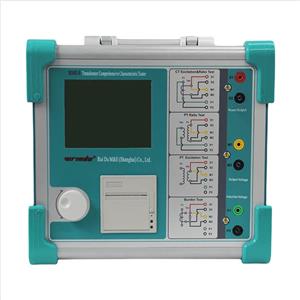
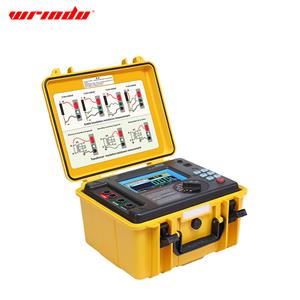
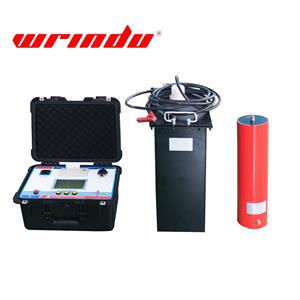
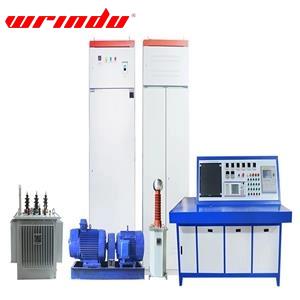
Testing and diagnostic equipment providers such as Shanghai-based Wrindu support manufacturers and utilities with advanced inspection and monitoring systems.
Why Proper Testing Matters?
Oil filled cables depend on pressure balance and insulation quality. Without proper monitoring:
Oil leakage may occur
Insulation breakdown risk increases
Overheating can shorten lifespan
Professional diagnostic tools help utilities:
Track insulation condition
Monitor oil pressure in real time
Detect early signs of aging
Reduce unexpected outages
Wrindu Expert Review
Oil filled cables remain a critical technology for ultra-high-voltage transmission — especially in submarine, underground, and high-load environments.
They offer:
Excellent dielectric performance
Strong impulse resistance
Long-term operational stability
Reliable performance in demanding infrastructure
For utilities and infrastructure developers, selecting certified systems and ensuring proper testing and maintenance are the keys to maximizing lifespan and minimizing risk.
FAQs
What voltage range do oil filled cables support?
Typically from 66 kV up to 500 kV and beyond.
Are they safe for underwater installation?
Yes. They are widely used in submarine and tunnel projects.
How long do they last?
With correct maintenance, service life can exceed 30–60 years.
Do they require regular oil monitoring?
Yes. Pressure and oil quality checks are essential for long-term reliability.
Are they still relevant in 2026?
Absolutely. They remain a preferred solution for ultra-high-voltage and submarine transmission projects worldwide.