How Overcurrent Affects Electrical Systems?
This easy-to-follow guide breaks down how overcurrent works, the different types you might face, top protection tools to use, and simple, effective steps to protect your electrical network from costly failures and unplanned downtime.
What Is Overcurrent?
Put simply, overcurrent happens when electrical current flows higher than the safe, rated limit for a wire, device, or entire circuit. It usually stems from three key issues: circuit overloads, short circuits, or ground faults.
When too much current runs through wires or equipment, it causes extreme overheating, breaks down electrical insulation, and can lead to permanent equipment damage. That’s why overcurrent protection—like circuit breakers, fuses, and protective relays—is so important: these devices cut off or limit excess current to keep your system safe and intact.
Whether it's a home, office building, or industrial plant, controlling overcurrent properly keeps operations going and cuts down the risk of electrical fires.
Types of Overcurrent and What Causes Them
There are three main kinds of overcurrent, each with its own causes and risks:
Overload Current: This happens when plugged-in or connected devices pull more current than they're designed to handle. Common causes include stuck machinery, sudden spikes in power demand, or inefficient, worn-out equipment.
Short-Circuit Current: A short circuit occurs when a hot (phase) wire accidentally touches a neutral wire, creating a direct, low-resistance path for electricity. This causes an immediate, massive current surge that can melt wires, ruin insulation, and trigger safety devices right away.
Ground-Fault Current: This type of overcurrent hits when a live electrical wire touches the ground or a grounded metal surface. It's often seen in older wiring, damp or humid spaces, or when cables start to wear out and break down.
The damage from these overcurrent issues can be severe. Without the right protection, wires will overheat, switchgear can break beyond repair, and connected machinery can suffer permanent harm. Repeated overcurrent events also age insulation quickly, wear down parts faster, and drive up long-term maintenance costs.
How Overcurrent Harms Electrical Systems?
Overcurrent doesn't just risk immediate damage—it wrecks the efficiency and stability of your entire electrical system. It causes sudden equipment breakdowns and service outages, plus voltage drops and poor power quality that disrupt daily operations.
Even long-term, low-level overcurrent wastes energy, leads to frequent tripping of breakers, requires constant part replacements, and piles up costs from unexpected downtime.
Essential Overcurrent Protection Devices and How They Work
Today's electrical systems rely on smart, reliable protection tech to stop overcurrent in its tracks. Top devices include thermal-magnetic circuit breakers, resettable fuses, and high-tech digital relays with microprocessor monitoring.
Protective relays keep a constant eye on electrical current, and trip the circuit when current goes over preset limits—they can act instantly or with a time delay, depending on what your system needs. For high-voltage power networks, differential protection is a go-to: it compares incoming and outgoing current to spot faults fast and accurately.
Modern digital relays also come with real-time data analysis, self-testing features, and connectivity tools for predictive maintenance. In smart grids, these relays work with central control systems to isolate only the faulty part of the circuit, so the rest of the system keeps running. This targeted protection keeps service interruptions to a minimum—a must for industries that need nonstop operation.
Latest Market Trends for Overcurrent Protection
More and more protection parts—like medium-voltage circuit breakers, current transformers, and motor protection relays—now include IoT-enabled diagnostics to track conditions and predict faults before they strike. Industry experts predict that by 2030, the global market for these protective devices will hit tens of billions in annual revenue, fueled by factory automation and digital substation upgrades.
About Wrindu: Your Partner for Electrical Testing and Protection
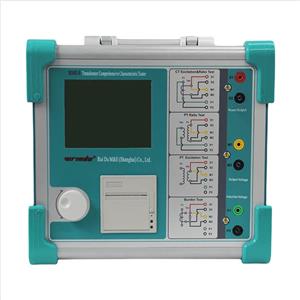
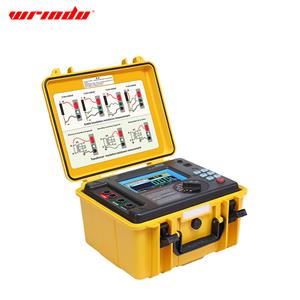
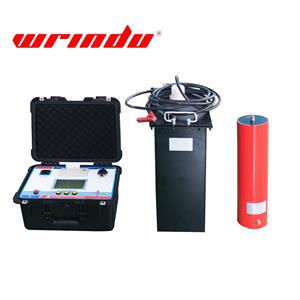
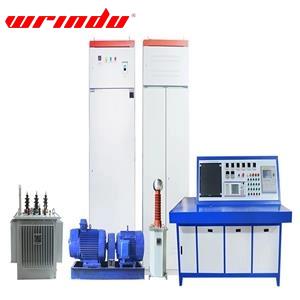
Wrindu—officially RuiDu Mechanical and Electrical (Shanghai) Co., Ltd.—is a trusted global provider of high-quality power testing and diagnostic equipment. Founded in 2014, we specialize in high-voltage testing solutions for transformers, circuit breakers, power cables, and insulation systems.
Our precision tools let engineers test overcurrent performance and check insulation health with unbeatable reliability and safety, supporting power utilities, manufacturing plants, and research labs all over the world.
Real-World Results and ROI of Proper Overcurrent Protection
One industrial plant saw a 27% drop in total operating costs over two years after switching from old mechanical protectors to modern digital current-limiting relays. For data centers and production lines, reliable overcurrent protection directly translates to more uptime, consistent output, and better product quality.
Using predictive diagnostics and regular system testing also lets teams track trends and stop failures months before they happen, saving time and money.
Common Overcurrent Protective Devices
Protective Device | Key Benefits | Reliability Rating | Typical Uses |
|---|---|---|---|
Thermal-Magnetic Breaker | Simple design, budget-friendly | ★★★★☆ | Homes, small commercial spaces |
Electronic Trip Unit | Adjustable settings, high precision | ★★★★★ | Industrial grids, motor control centers |
Ground-Fault Relay | High sensitivity to leakage current | ★★★★☆ | Hospitals, refineries, marine setups |
Differential Protection Relay | Instant fault detection | ★★★★★ | Power transmission, substations |
The Future of Overcurrent Protection
The future of overcurrent protection is all about smart, automated systems that pair AI-powered fault detection with self-operating switches. As power grids become more decentralized, overcurrent devices will fully integrate into digital substations for seamless control.
Artificial intelligence will analyze fault patterns in milliseconds, pinpointing exactly where a problem is located and enabling self-healing grids that fix issues automatically. Renewable energy converters will need adaptive protection to handle two-way current flow, while high-voltage DC (HVDC) systems will require ultra-fast fault-stopping tech.
Sustainability will also drive innovation: next-gen protection devices will use recycled materials and low-energy designs to cut waste and boost efficiency.
Key Takeaways and Actionable Steps
Overcurrent isn't just a minor technical glitch—it's a core factor that shapes the safety, efficiency, and reliability of every electrical system, from residential homes to large-scale power plants.
Controlling overcurrent with accurate detection, constant monitoring, and fast circuit interruption is non-negotiable to protect people, property, and daily operations. Engineers and facility managers should:
Run regular electrical system audits
Upgrade old protective relays to modern digital models
Add smart fault analysis tools to meet updated safety standards
For any professional looking to boost system reliability and cut downtime, mastering overcurrent management is a foundational skill for modern electrical work and energy safety.
FAQs about Overcurrent
What is overcurrent, and how does it impact electrical systems?
Overcurrent is when electrical current flows above a circuit's safe limit, which can cause overheating, insulation damage, and equipment failure. It usually comes from short circuits, overloads, or ground faults. Good detection and protection keep your system stable and safe.
What are the best overcurrent protection devices for my setup?
Top overcurrent protectors include circuit breakers, fuses, and protective relays. Each device spots excess current and cuts power to stop damage. Picking the right one keeps your system safe, reliable, and up to code.
How do circuit breakers and fuses stop overcurrent damage?
Circuit breakers and fuses are automatic safety tools that stop excess current flow. Fuses melt when overloaded, while breakers trip to shut off the faulty circuit. Both prevent overheating, equipment damage, and fire risks.
What causes overcurrent, and how can I prevent it?
Overcurrent is usually caused by short circuits, overloaded equipment, worn insulation, or bad wiring. To prevent it, design circuits properly, use rated protection devices, and do routine maintenance. Calibrated testing tools also spot risks early.
How does overcurrent damage electrical equipment?
Excess current creates intense heat that breaks down insulation, melts wires, and ruins sensitive parts. Long-term exposure weakens your system and raises the risk of fires or total equipment failure. Regular upkeep keeps this damage to a minimum.
How do I accurately detect and measure overcurrent?
Use current sensors, digital relays, and precision test meters to monitor current against rated limits. High-quality tools from Wrindu deliver accurate readings, spot faults early, and protect your electrical assets.
How is overcurrent managed in industrial and power systems?
Industrial and power systems use advanced protective relays, coordinated circuit protection, and real-time monitoring. Automated systems isolate faults quickly to stop widespread damage, and regular testing ensures protectors work as they should.
What are the main overcurrent protection standards?
Key standards include IEC 60947, IEEE C37, and NEC guidelines, which set rules for device ratings, system design, and safety. Following these standards keeps your system reliable and compliant. Wrindu’s testing tools help you meet these global requirements.
Does Wrindu's products all have functions of overcurrent protection?
Yes, all of wrindu's testing equipment have functions of overcurrent protection, engineers and technicians can perform high-voltage tests, routine diagnostics, and fault detection work safely and efficiently without worrying about accidental current surges.