AC Cable vs MC Cable: Which One Works Better for Industrial Wiring?
When planning industrial electrical systems, many engineers compare AC cable vs MC cable to decide which option offers better safety, grounding, and EMI protection. While both cable types use metal armor for mechanical protection, their internal design and performance are quite different.
Choosing the right cable can improve equipment reliability, reduce electrical interference, and lower long-term maintenance costs. In this guide, we' ll break down the differences between AC and MC cable in simple terms, covering grounding methods, shielding performance, industrial applications, and installation advantages.
What Does AC Cable Mean?
AC cable, often called armored cable or BX cable, contains insulated conductors protected by a flexible metal sheath. The armor is usually made from aluminum or steel and helps protect the cable from physical damage.
Inside the cable, there is a bonding strip that works with the metal armor to create a grounding path.
Common Benefits of AC Cable
Flexible metal protection
Good resistance to physical impact
Simple installation for indoor projects
Suitable for commercial buildings
Frequently used in dry environments
AC cable is commonly installed in offices, retail spaces, and residential buildings where environmental conditions are less demanding.
Drawbacks of AC Cable
Even though AC cable is reliable for many indoor applications, it has several industrial limitations:
Not designed for wet or outdoor use
Grounding depends on armor continuity
Performance may weaken in high-vibration areas
Limited EMI shielding capability
Because of this, AC cable is generally not the first choice for heavy industrial facilities.
What Makes MC Cable Different?
MC cable, short for metal-clad cable, is built for more demanding environments. The biggest advantage is the addition of a dedicated grounding conductor inside the cable.
Unlike AC cable, the grounding path does not rely only on the armor.
Key Advantages of MC Cable
Separate equipment grounding conductor
Better grounding reliability
Higher resistance to moisture
Suitable for indoor and outdoor installation
Stronger EMI shielding
Higher temperature tolerance
MC cable also includes protective internal wrapping materials that help prevent moisture and contamination from damaging the conductors.
Why Does Grounding Matter So Much in Industrial Systems?
Grounding plays a major role in electrical safety and equipment protection. Poor grounding can lead to:
Equipment damage
Arc flash hazards
Electrical noise
Nuisance breaker trips
System downtime
This is why the grounding difference between AC cable and MC cable is so important.
Grounding in AC Cable
AC cable uses the metal armor and bonding strip together as the grounding path. While this works in basic applications, the grounding performance may be affected by:
Corrosion
Loose fittings
Cable movement
Excessive bending
In factories with vibration and heavy electrical loads, grounding reliability can become inconsistent over time.
Grounding in MC Cable
MC cable includes a full-size grounding conductor that remains effective even if the armor is damaged.
This design offers:
Lower impedance grounding
Faster fault current clearing
More stable grounding performance
Better protection in industrial environments
For facilities with motors, drives, and large machinery, this added reliability is extremely valuable.
Which Cable Handles EMI Better?
Electromagnetic interference, or EMI, is a common problem in industrial facilities. Electrical noise from equipment can interfere with controls, automation systems, and communication signals.
Common Sources of EMI
Industrial EMI often comes from:
VFDs
Motor starters
Welding machines
Solar inverters
EV chargers
Large motors
EMI Performance of AC Cable
The metal armor on AC cable provides a basic level of shielding, but without a dedicated grounding conductor, EMI suppression is more limited.
EMI Performance of MC Cable
MC cable performs better in high-noise environments because the grounding conductor helps carry away induced electrical noise.
Some industrial-grade MC cables also include:
Foil shielding
Braided shielding
Enhanced grounding layers
These features make MC cable ideal for automation systems, PLC wiring, and sensitive control circuits.
Quick Comparison: AC Cable vs MC Cable
| Feature | AC Cable | MC Cable |
|---|---|---|
| Grounding | Armor + bonding strip | Dedicated grounding wire |
| Wet Location Use | No | Yes |
| Outdoor Installation | Limited | Supported |
| EMI Protection | Standard | Stronger |
| Temperature Rating | Lower | Higher |
| Vibration Resistance | Moderate | Better |
| Industrial Use | Light-duty | Heavy-duty |
| Long-Term Reliability | Medium | High |
For industrial applications, MC cable is often considered the safer and more durable solution.
Where Is MC Cable Commonly Installed?
Manufacturing Facilities
MC cable is widely used for:
Production equipment
Conveyor systems
Industrial motors
Automation controls
Oil and Gas Plants
Harsh environments with vibration and moisture make MC cable a strong choice for energy facilities.
Renewable Energy Projects
Solar and wind projects rely on MC cable because of its outdoor durability and grounding performance.
Substations and Utilities
Power utilities use MC cable in substations where reliable grounding and EMI resistance are critical.
Why Is MC Cable Becoming More Popular?
The industrial cable market is changing quickly due to:
Smart factory expansion
Renewable energy growth
EV charging installations
Increased automation
Stricter electrical safety codes
As electrical systems become more advanced, the demand for stronger grounding and better shielding continues to rise.
MC cable has become a preferred option for modern industrial infrastructure because it supports both safety and long-term reliability.
How Does Wrindu Help with Industrial Cable Testing?
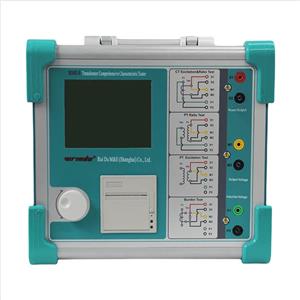
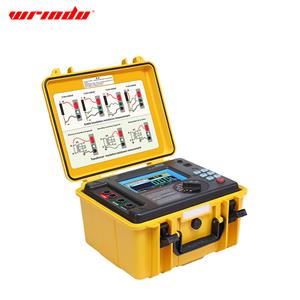
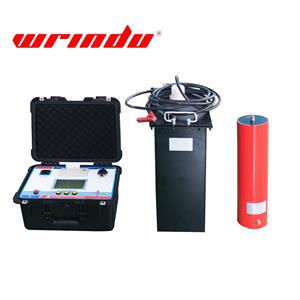
Wrindu provides professional high-voltage testing and diagnostic solutions for industrial electrical systems.
Since 2014, the company has focused on developing equipment for:
Cable testing
Transformer testing
Relay testing
Circuit breaker diagnostics
Insulation analysis
High-voltage system maintenance
Wrindu products comply with ISO9001, IEC, and CE standards and are used in industrial, utility, and renewable energy projects worldwide.
What New Technologies Are Improving MC Cable?
Modern MC cable designs continue to evolve with new technologies, including:
Lightweight aluminum armor
Improved grounding conductors
Moisture-blocking materials
Flexible cable structures
Advanced EMI shielding
Smart monitoring integration
Future cable systems may also include IoT-based fault monitoring for predictive maintenance.
What Installation Tips Help Improve Cable Performance?
Proper installation helps maximize cable safety and service life.
Best Practices for MC Cable Installation
Use certified connectors
Avoid over-bending the cable
Secure cable properly during routing
Inspect grounding continuity
Use weather-resistant jackets outdoors
Test grounding resistance after installation
Good installation practices help reduce failures and improve long-term system performance.
What Will Future Industrial Cable Systems Look Like?
The next generation of armored cables will focus on:
Smarter fault detection
Better EMI protection
Lightweight materials
Higher energy efficiency
Hybrid fiber and power cable systems
Stronger outdoor durability
These technologies will support Industry 4.0, smart grids, and advanced automation systems.
FAQs
Is MC cable safer than AC cable for industrial use?
In most industrial environments, yes. MC cable provides a dedicated grounding path and better EMI protection, making it more reliable for heavy-duty applications.
Can AC cable be installed outside?
Standard AC cable is mainly designed for dry indoor locations and is not recommended for outdoor or wet environments.
Why do factories prefer MC cable?
Factories often use large motors and automation equipment that create vibration and EMI. MC cable handles these conditions more effectively.
Does MC cable help reduce electrical noise?
Yes. The grounding conductor and optional shielding layers improve noise control in industrial systems.
Which cable lasts longer in harsh environments?
MC cable generally lasts longer because it offers stronger grounding stability and better protection against moisture and vibration.
Is MC cable more expensive?
MC cable usually costs more upfront, but it can reduce maintenance and downtime costs over the long term.
Can MC cable be used for renewable energy systems?
Yes. MC cable is widely used in solar farms, wind power systems, and battery energy storage projects.
Why is grounding so important in industrial wiring?
Reliable grounding helps protect equipment, reduce electrical faults, and improve personnel safety.
Is MC cable required by NEC for certain applications?
Some NEC applications require enhanced grounding and environmental protection, making MC cable the preferred choice.
What should engineers consider when choosing between AC and MC cable?
Key factors include:
Installation environment
Moisture exposure
EMI levels
Grounding requirements
Equipment sensitivity
Long-term maintenance costs
Selecting the right cable helps improve safety, reduce downtime, and support stable industrial operation.
If you want to check for cable problems, wrindu offers an integrated testing service.