What Is Power Transformer Testing Equipment?
What Is Transformer Testing Equipment?
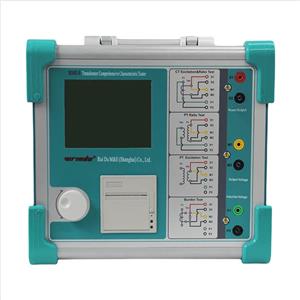
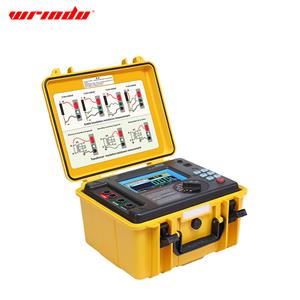
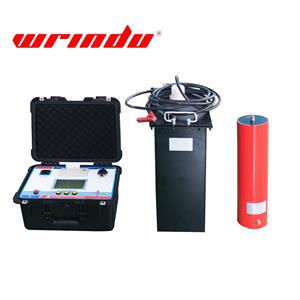
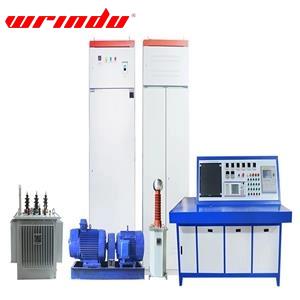
Transformer testing equipment is designed to ensure the safety and proper functioning of electrical transformers. It helps assess critical parameters like insulation resistance, turns ratio, and winding resistance. Wrindu offers reliable testing systems that can be used for routine inspections or on-site diagnostics, allowing you to detect potential issues early and prevent transformer failures.
Key Features of Wrindu Transformer Testing Equipment
| Feature | Description |
|---|---|
| Wide Compatibility | Includes USB connectivity and compatible software (Windows/XP/Visits) for easy data transfer. |
| HD Display | LCD screens display clear readings, identifying issues such as inter-winding faults and misalignments. |
| Data Protection | Alerts for low battery, easy data storage, and simple transfer to computers for further analysis. |
| Weather Resistant | Durable alloy parts and ABS casings ensure reliable operation in harsh environmental conditions. |
Types of Wrindu Transformer Testers
| Tester | Function | Purpose |
|---|---|---|
| Transformer Winding Resistance Tester | Measures DC resistance in transformer windings. | Detects faulty connections, open circuits, or bad contacts during installation and maintenance. |
| Transformer Turns Ratio Tester | Verifies the primary and secondary coil ratio. | Ensures correct voltage regulation and overall transformer performance. |
| On-load and Load Loss Tester | Measures key parameters like no-load loss and short-circuit impedance. | Tests transformers with voltage ratings of 35kV and higher. |
| Partial Discharge Tester | Measures partial discharges under high voltage. | Assesses insulation health, helping to prevent future failures due to insulation degradation. |
| Tan Delta Tester | Provides automated, accurate tan delta testing with precise voltage regulation up to 10kV. | Used for accurate and quick tan delta testing in both field and laboratory settings. |
How Transformer Testing Works?
Transformer testing involves evaluating important parameters such as winding resistance, insulation quality, and voltage ratio. Below are some of the most common tests performed:
| Test Type | Purpose | What It Measures |
|---|---|---|
| Turns Ratio Testing | Verifies the transformer’s voltage ratio. | Primary and secondary winding ratios. |
| Insulation Resistance Testing | Checks insulation quality. | Insulation resistance and Megger test results. |
| Power Factor Testing | Assesses insulation’s power loss. | Power factor and insulation condition. |
| Resistance Testing | Ensures proper winding connections. | DC resistance, open circuits, and faults in windings. |
Why Transformer Testing Is Essential?
Regular transformer testing improves the reliability of transformers, reduces downtime, and minimizes the risk of unexpected failures. By identifying issues such as insulation degradation or winding faults early, it prevents costly repairs and ensures uninterrupted power supply.
Benefits of Using Transformer Testing Equipment
Increases Transformer Lifespan: Regular testing helps detect problems early, preventing major failures and extending the transformer’s service life.
Prevents Damage and Downtime: Testing identifies mechanical faults, contact issues, and winding problems that could lead to expensive damage if left unaddressed.
Fast and Easy Testing: Transformer tests are quick and cause minimal downtime, ensuring that normal operations continue smoothly and maintenance schedules remain intact.
Factors to Consider When Choosing Transformer Testing Equipment
| Factor | Description |
|---|---|
| Application Requirements | Understand the specific needs of your application. For example, utilities may require portable equipment for on-site testing, while manufacturers may need high-precision, lab-grade instruments. |
| Accuracy and Precision | Choose equipment that provides accurate measurements. Precision is essential for correctly evaluating transformer performance. |
| Test Parameters | Select equipment that can measure key parameters like turns ratio, insulation resistance, and power factor, depending on your transformer’s needs. |
| Ease of Use | Opt for user-friendly equipment with intuitive interfaces, touchscreens, and clear instructions. Modern systems often come with pre-programmed test sequences to make the process faster and easier. |
| Connectivity and Data Management | Choose equipment that allows easy data storage and transfer (via USB or Ethernet) and integrates well with data management software for efficient record-keeping and analysis. |
| Safety Features | Look for equipment with built-in safety features, such as overload protection, insulation checks, and interlocks to ensure safe operation during testing. |
Why Choose Wrindu for Transformer Testing Equipment?
| Feature | Description |
|---|---|
| High Precision and Durability | Wrindu offers high-precision, durable equipment suitable for both factory and field applications. |
| Tailored Solutions | We provide customized solutions tailored to your specific testing requirements, including unique voltage ranges and specialized testing capabilities. |
| Global Support | Wrindu offers 24/7 customer support to assist you, no matter your location. |
| Certified Reliability | All Wrindu products are ISO9001 certified, ensuring compliance with international safety and performance standards. |
FAQs
How Long Does a Transformer Last?
A: A transformer typically lasts between 25 and 40 years. The lifespan is largely determined by the condition of the paper-oil insulation system. Manufacturers usually estimate that power transformers have an expected life of 25 to 40 years.
How to Check if a Transformer Is Working Properly?
A: To check if a transformer is functioning correctly, you can measure the voltage across its terminals using a voltmeter. Another method is to check the current flowing through the transformer when it is powered on, which can be done with an ammeter to detect any irregularities.
What Is the Most Important Test for a Transformer?
A: The excitation current measurement is considered the most critical diagnostic test for transformers. It is highly sensitive in detecting core faults, inter-turn faults in windings, improper winding/tap changer connections, and displacements in the core or windings, especially during transport.
What Can Damage a Transformer?
A: Overloading is a major cause of transformer damage, leading to overheating and thermal degradation that weakens the winding insulation. Additionally, moisture in liquid-filled transformers can cause severe damage to the insulation, often resulting in irreversible harm.
How Common Are Transformer Failures?
A: Transformer failure rates are low during the early years, at about 0.0002 failures per transformer per year. However, failure rates begin to rise around 20 to 25 years of service, reaching 0.01 at age 40, 0.025 at age 50, and exceeding 0.05 at age 60.
Click to find Transformer Testing Equipment.
Related Articles
Necessary Tests about Transformer.