Boiling Point of Oil & Freezing Point of Oil Explained | Automatic Pour Point Tester
What Is the Boiling Point of Oil in Celsius?
The boiling point of oil varies depending on the type of oil you are using. Unlike water, oils are mixtures of different compounds, so they don't always have a single fixed boiling point.
Here are common ranges:
Edible oils (olive, soybean, palm): typically above 200°C, often around 200–300°C
When oil exceeds 250°C, it may start to break down and produce harmful substances
Gasoline (petroleum-based oil): about 30°C to 205°C (distillation range)
Diesel oil: typically 180°C to 370°C, with some heavy fractions reaching 350°C to 410°C
👉 In short, the boiling point of oil depends on its composition, but most industrial and edible oils boil at relatively high temperatures.
What Is the Freezing Point of Oil in Celsius?
The freezing point of oil (or pour point in industrial terms) also varies widely depending on the oil type.
Typical values include:
Vegetable oils:
Palm, olive, peanut oil: around 5°C
Soybean oil: about -8°C
Blended oils: usually 2°C to 13°C
Fuel oils:
Gasoline: around -75°C
Diesel (measured as pour/condensation point): ranges from 12°C to -44°C, depending on grade
👉 For industrial applications, the pour point is more important than the freezing point, as it determines the lowest temperature at which oil can still flow.
Why Are Boiling Point and Freezing Point Important in Industry?
Understanding the boiling point of oil and freezing point of oil is critical for:
Transformer oil and cable insulation performance
Fuel storage and transportation safety
Lubrication efficiency in cold environments
Preventing equipment failure due to oil solidification
For example, if oil reaches its pour point, it can no longer circulate—leading to serious operational risks in power systems or industrial machinery.
How Can You Accurately Measure the Freezing (Pour) Point of Oil?
Manual testing methods are often slow, inaccurate, and influenced by human error. That’s why modern laboratories and industrial facilities rely on automatic pour point testers.
The Wrindu RDQN-361D Automatic Pour Point Freezing Point Tester is designed to deliver precise and reliable results for petroleum products and insulating oils.
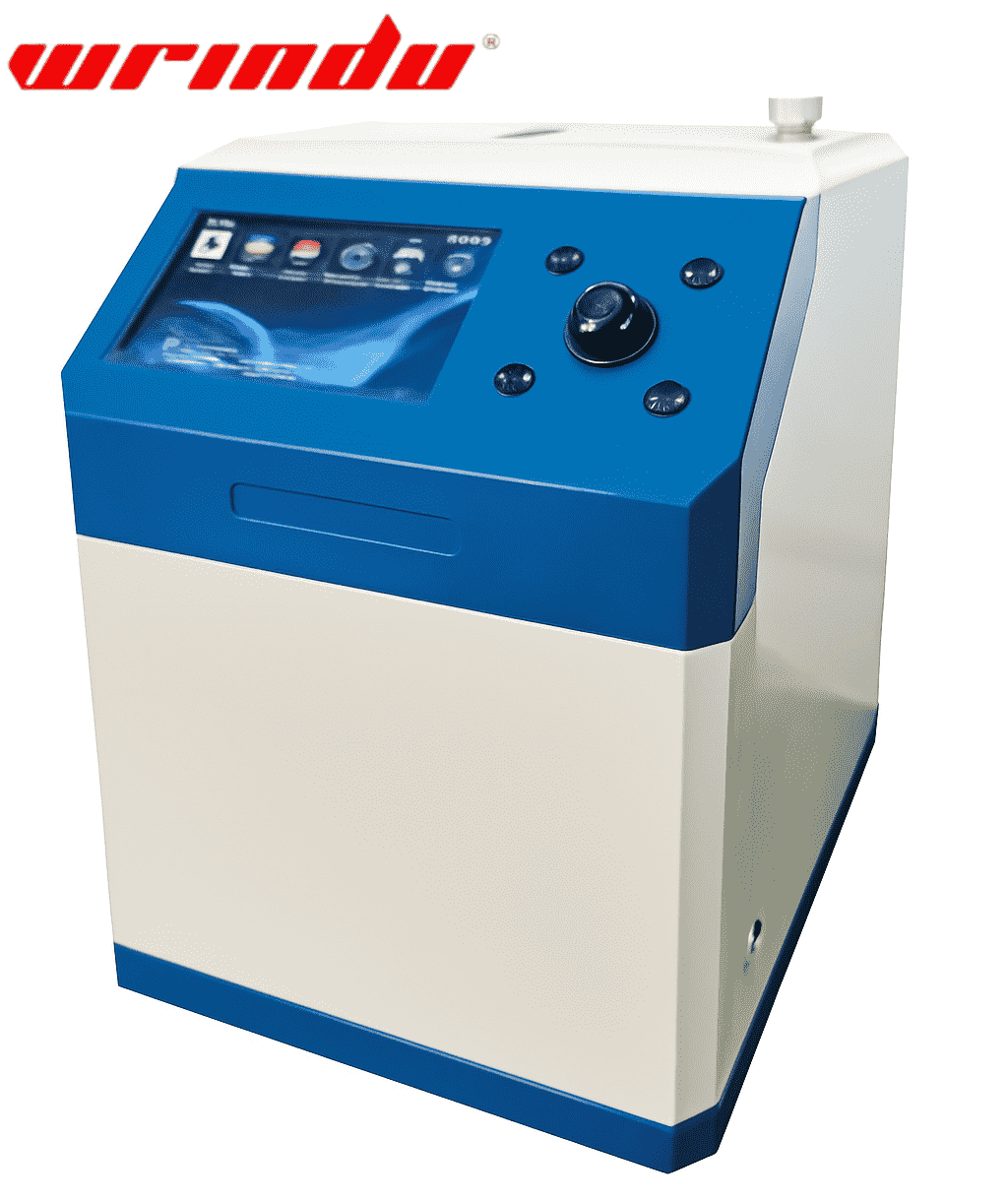
Click to know more about Automatic Pour Point Freezing Point Tester.
Key Advantages:
Fully automatic testing process – no manual intervention required
High-precision PID temperature control
Wide measuring range: Room temperature to -68°C
Excellent repeatability (±1°C)
User-friendly large LCD interface (English & Chinese)
Built-in safety features for stable operation
This makes it ideal for industries that require accurate monitoring of oil behavior under low-temperature conditions.
How Wrindu Testers Stand Out in Oil Testing Applications?
Wrindu focuses on combining accuracy, automation, and reliability to meet real industrial needs.
Here's what makes Wrindu different:
High measurement accuracy with ±0.4°C temperature control
Strong anti-interference design for stable results in harsh environments
Fully digital and automated operation to reduce human error
Wide application range for transformer oil, fuel oil, and lubricants
Proven reliability through extensive field testing
Compared to traditional testers, Wrindu solutions provide faster, more consistent, and more dependable results—especially for critical applications like power systems and petroleum analysis.
FAQs
Q1: Does all oil have the same boiling point?
A: No. Different oils have different compositions, so their boiling points vary widely.
Q2: What is the difference between freezing point and pour point?
A: The freezing point is when oil solidifies, while the pour point is the lowest temperature at which oil can still flow—more important in industrial use.
Q3: Why is pour point testing important for transformer oil?
A: Because low-temperature flowability affects insulation performance and cooling efficiency in power equipment.
Q4: How accurate are automatic oil testers compared to manual methods?
A: Automatic testers like Wrindu’s provide much higher accuracy and repeatability, reducing human error.
Q5: What industries need oil freezing point testing?
A: Power utilities, petrochemical plants, manufacturing, and transportation industries all rely on accurate oil testing.
What's the Best Way to Ensure Reliable Oil Testing Results?
To truly understand the boiling point of oil and freezing point of oil, accurate testing equipment is essential. Automated solutions like the Wrindu RDQN-361D ensure consistent, precise, and efficient measurements—helping industries maintain safety, optimize performance, and prevent costly failures.
If your operations depend on oil performance, investing in reliable testing technology is the smartest next step.