On-Load Tap Changer (OLTC) for Power Transformers
This article breaks down the operating principles, classifications, structural design, maintenance protocols of On-Load Tap Changers (OLTCs), and highlights the unique advantages of Wrindu testing instruments for OLTC diagnostic monitoring. It serves as a complete engineering reference for professionals working with power transformers.
The Indispensable Role of OLTCs in Contemporary Power Grids
Stable voltage regulation serves as the cornerstone of dependable power transmission in today's ever-evolving electrical ecosystem. Fluctuating load demands, long-haul transmission routes, and constantly shifting grid conditions frequently trigger unmanageable voltage dips or surges. This is precisely where On-Load Tap Changers demonstrate their critical value.
Defining On-Load Tap Changers (OLTCs)
Real-World Operation of OLTC-Equipped Transformers
Core Operating Mechanism
OLTCs perform switching operations between pre-wired tap points on the transformer winding. Throughout each tap change process:
Load current is safely channeled through transition resistors or reactors to prevent short-circuit faults
Arc discharge is confined within a sealed, insulated switching compartment
Output voltage is adjusted smoothly, with no blackouts or operational downtime
This controlled switching mechanism guarantees unwavering voltage stability, even under severe load fluctuation scenarios.
Standard Voltage Regulation Parameters
Modern OLTC transformers are generally engineered with the following specifications:
An overall voltage adjustment range of ±10%
Per-tap voltage increments of 1.25% or 1.5%
A total of 17 to 33 tap positions (varies based on transformer capacity and application scenario)
These parameters are carefully determined through grid planning studies and calculations of anticipated voltage losses across transmission and distribution lines.
Common Classifications of OLTCs for Power Transformers
OLTC Category | Switching Medium | Primary Application Scenarios | Core Competitive Advantage |
|---|---|---|---|
Resistor-type OLTC | Transition resistors | Transmission substations | Compact, space-efficient structure |
Reactor-type OLTC | Transition reactors | Large-scale, high-capacity transformers | Reduced switching energy losses |
In-tank OLTC | Transformer oil | Standard oil-immersed transformers | Integrated insulation system, time-tested reliability |
Separate compartment OLTC | Dedicated oil chamber | Extra-high-voltage (EHV) power systems | Superior safety performance and electrical isolation |
Field operational data confirms that in-tank OLTCs remain the top choice for large power transformers, thanks to their rugged mechanical construction and extended service life.
OLTC vs. Off-Circuit Tap Changer
Feature | OLTC Transformer | Off-Circuit Tap Changer |
|---|---|---|
Load Operation Capability | Supported (no shutdown required) | Not supported (full power cutoff mandatory) |
Power Interruption | None | Required for adjustment procedures |
Voltage Control Mode | Continuous regulation, automatic/manual options | Manual adjustment only when offline |
Optimal Application | High-voltage grids, critical infrastructure | Small/standby transformers, low-demand sites |
Initial Investment Cost | Higher | Lower |
For mission-critical facilities, the higher upfront cost of OLTCs is fully justified by drastically improved reliability and zero unplanned outages.
Key Design Considerations for OLTC Transformers
Electrical Design Parameters
Matching rated voltage and current to grid requirements
Strong short-circuit withstand capacity
Precise insulation coordination with transformer windings
Full compatibility with oil-immersed transformer systems
Mechanical and Thermal Design Priorities
Minimizing contact wear caused by frequent tap operations
Efficient heat dissipation for transition resistors
Proactive oil quality monitoring and filtration management
Field experience reveals that inadequate thermal design is one of the leading causes of premature OLTC failure—cutting corners in this area is never advisable.
Typical Deployment Scenarios for OLTC Transformers
OLTC-fitted transformers are the backbone of modern power systems, widely deployed in:
Transmission substations (110kV up to 765kV)
Power generation and load interconnection points
Industrial facilities with highly volatile power consumption
Grid-tie transformers for solar, wind, and other renewable energy installations
Across all these applications, OLTCs stabilize voltage levels, reduce technical power losses, and ensure compliance with utility voltage standards.
OLTC Control and Smart Grid Automation
Modern OLTC transformers are equipped with advanced intelligent features:
Automatic Voltage Regulators (AVR) for real-time voltage adjustments
Full SCADA integration for remote monitoring and control
Real-time tap position tracking and event logging
Predictive diagnostic functions to detect anomalies before failures occur
Automated OLTC control drastically cuts response time to voltage disturbances and acts as a key enabler for smart grid development.
Maintenance and Reliability: Field-Proven Best Practices
Routine Maintenance Tasks
Regular oil testing for carbon deposits, moisture content, and dissolved gases
Contact inspection and timely replacement of worn parts
Lubrication and calibration of the drive mechanism
Verification of tap position accuracy
Industry statistics clearly show that OLTC-related faults account for over 30% of all transformer failures. Proactive maintenance is not a choice—it is a necessity.
Expert Tips for Extending OLTC Service Life
Avoid excessive tap switching during grid instability periods
Ensure tight coordination between OLTC and reactive power compensation systems
Size OLTCs to accommodate future load growth, not just initial demand
Implement condition monitoring systems for early fault detection
Adhering to these guidelines significantly extends service life and reduces the total cost of ownership.
Why Wrindu Testers Excel in OLTC Diagnostics
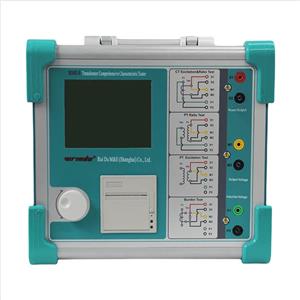
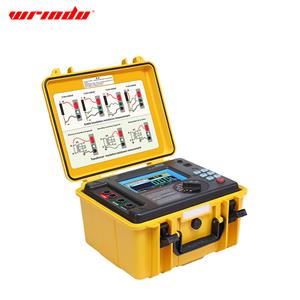
When it comes to validating OLTC performance and identifying potential issues at an early stage, Wrindu's OLTC testing solutions lead the industry with unparalleled precision and dependability:
Unmatched Measurement Precision
Dynamic Resistance Measurement (DRM) with ±0.1% of reading + ±0.1% full-scale accuracy
Transition timing resolution as low as 0.1 milliseconds
Built-in Kelvin (4-wire) testing to eliminate contact resistance errors
Comprehensive Diagnostic Functions
Real-time ripple monitoring to detect abnormal tap switching behaviors
Integrated insulation resistance, DGA (Dissolved Gas Analysis), and partial discharge (PD) testing
Thermal imaging to identify hot spots and insulation defects
Full three-phase simultaneity analysis for balanced system operation
Intelligent, User-Focused Design
High-speed sampling (up to 100kHz) to capture rapid transient events
Automated sequential tap testing (eliminates manual step-by-step operation)
Rugged IP65-rated enclosure suitable for harsh field environments
Intuitive touchscreen interface and built-in data logging (500+ test sets)
USB data export and seamless SCADA integration
Global Compliance and Support
ISO 9001, IEC, and CE certified for worldwide application
Custom OEM solutions tailored to unique grid requirements
Local service centers and 24/7 remote support to minimize downtime
Proven performance across utilities, renewable energy, and industrial applications globally
Wrindu testers do more than just collect measurements—they deliver actionable diagnostics, helping teams shift from reactive repairs to predictive maintenance and keeping OLTCs operating at peak efficiency for decades.
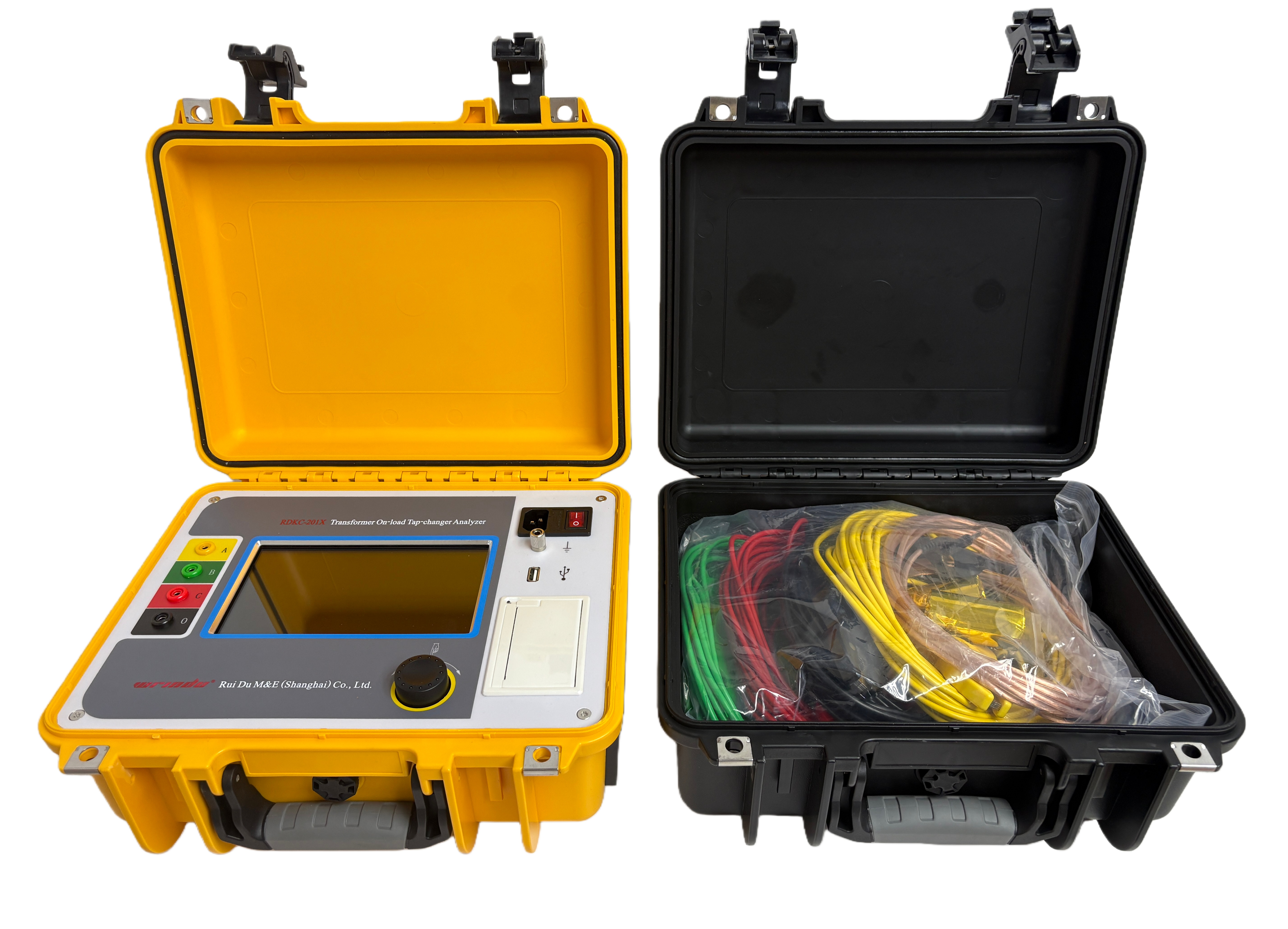
Click to know more about Transformer On-load Tap-changer Analyzer.
Frequently Asked Questions
Well-maintained OLTCs typically last 20–30 years. To maximize lifespan: conduct annual oil analysis and contact inspections, limit excessive tap switching, and use Wrindu's dynamic resistance testers to detect wear early.
Opt for resistor-type OLTCs for compact transmission substations with limited space. Choose reactor-type OLTCs for large, high-capacity transformers (e.g., 500kV+) to minimize switching losses and heat accumulation.
Absolutely—Wrindu's portable OLTC analyzers enable full dynamic resistance, timing, and insulation testing while the transformer remains online. This eliminates downtime and streamlines maintenance workflows.
Key red flags include rising contact resistance, erratic transition timing, abnormal dissolved gas levels (DGA), and excessive arcing. Wrindu's testers identify these issues via DRM, PD monitoring, and real-time waveform analysis before catastrophic failures occur.
Renewable grids (solar/wind) feature highly volatile voltage and frequency, requiring OLTCs with faster response speeds and tighter AVR coordination. Wrindu's smart testers validate OLTC performance under these fluctuating conditions to sustain grid stability.