How to megger a motor?
Why Is Insulation Testing Important for Motors?
Motor insulation plays a crucial role in preventing electrical faults. Insulation protects the motor from leakage currents and prevents dangerous contact between electrical components and the motor housing. However, over time, insulation can degrade due to various factors, including mechanical damage, temperature fluctuations, moisture, and contaminants like dirt and oil. These issues can lead to insulation failure, which may eventually result in motor burnout or even electrical hazards.
What Causes Insulation Damage?
Many factors contribute to the breakdown of motor insulation. Some of the common causes include:
Mechanical damage: The motor may experience wear and tear from vibration or impact.
Temperature extremes: High heat or cold can affect insulation integrity.
Moisture: Exposure to moisture from humidity or processes can cause insulation to break down.
Contaminants: Dirt, oil, and corrosive vapors can weaken insulation.
These issues often create tiny cracks or holes in the insulation, allowing moisture and contaminants to enter. This can result in a low resistance path for leakage current, leading to further damage.
How Does Megger Testing Help?
By conducting regular insulation resistance tests, you can detect these issues before they cause major damage. The test involves applying voltage to the motor and measuring the resistance of the insulation. High resistance indicates good insulation, while low resistance indicates potential problems.
Testing helps you identify areas of weakness and plan maintenance before a complete motor failure occurs. It also reduces downtime and repair costs, which is especially important in industrial settings.
What Equipment Do You Need for Motor Megger Testing?
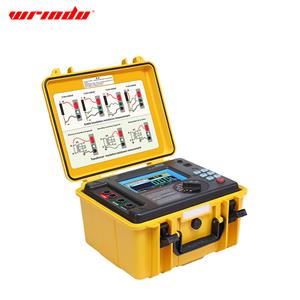
For motor megger testing, you will need a IR Tester. These devices measure insulation resistance in ohms or megaohms. The test is non-destructive, meaning it won't damage your motor. The tester simply applies a voltage and measures the current over the insulation surface, giving you a resistance value.
What Is the Best Way to Perform the Test?
Prepare the Motor: Always de-energize the motor and isolate it from the power supply. Ensure any stored energy, such as in capacitors, is discharged.
Set Up the Megger: Choose a megohmmeter that matches the voltage rating of your motor.
Connect the Megger: Attach the positive lead to the motor winding and the negative lead to the motor frame (ground).
Apply the Test Voltage: Set the megger to apply the appropriate test voltage, typically between 500V and 5000V. Allow the readings to stabilize.
Record and Analyze Results: Take note of the insulation resistance values. A higher resistance is better. If the resistance is low, it could indicate a problem, such as moisture, dirt, or a breakdown in the insulation.
| Motor Type | AC Motor Testing Setup | DC Motor Testing Setup |
|---|---|---|
| Testing Focus | Measure insulation resistance across motor windings | Measure insulation resistance of rigging, field coils, and armature separately |
| Key Step | 1. Ensure the starter switch is “on”. 2. Disconnect components when possible to get more accurate results. | 1. Raise the brushes before testing. 2. Test the field coils and rigging separately from the armature. |
| Purpose | To check the insulation resistance of the motor windings, ensuring no leakage or contamination. | To accurately test the insulation of individual components to detect early signs of failure in specific motor parts. |
How Do You Interpret Insulation Resistance Readings?
High Resistance: Indicates good insulation, which is what you want to see.
Low Resistance: Suggests that the insulation is deteriorating. This may be caused by contamination, moisture, or mechanical damage.
Trend Over Time: The most important indicator is the trend in resistance readings. A consistent decrease over time is a clear sign of worsening insulation, even if individual readings are still acceptable.
What Are the Safety Considerations?
You must never connect the megger to energized equipment. Always make sure that the motor is de-energized before testing. Testing energized equipment can result in inaccurate readings and potentially dangerous electrical faults.
How Often Should You Perform Motor Megger Testing?
Regular testing is key to maintaining motor health. The frequency of testing depends on various factors, such as the motor's age, operating conditions, and environmental factors. In general, it's a good practice to test insulation resistance annually or as part of your preventive maintenance plan.
What Happens If You Skip Insulation Testing?
If you skip insulation testing, you risk undetected deterioration of the motor's insulation. This can lead to unexpected failures, increased downtime, and costly repairs. In some cases, damaged insulation can create electrical hazards, leading to accidents.
Wrindu's Reviews
Wrindu's insulation resistance tester,also known as a megger or megohmmeter, is a vital tool for electricians to assess the effectiveness of electrical insulation.These devices play a critical role in the electrical sector for ensuring the reliability of insulation in power lines, electrical cables, and various types of electrical machinery. Wrindu has established a mature team covering all aspects of R&D, production, sales, and service after more than ten years of development. We specialize in producing customized high-voltage insulation resistance testers that feature comprehensive insulation resistance parameter testing functions and excellent anti-interference capabilities.
Click to find more information about Megger Tester.
Related Articles
Master eight tips for insulation resistance testing.